




New research: resveratrol improves diabetes by affecting the brain
Saturday, November 07, 2009 by: S. L. Baker, features writer
Tags: resveratrol, health news, Natural News
- How to Use Organic Neem Leaf for Flea and Tick Control for Cats
- Green tea extract may help prevent type-2 diabetes through improved glucose tolerance
- Folic acid proven to prevent heart disease and stroke in study
- Gravity water filter scientific test results released by Natural News: Big Berkey, ProPur, Zen Water Systems and more
- Fox News covers fake blueberries story uncovered by Health Ranger
- Chemtrails: Learn how to protect yourself from these treacherous poisons
- Royal Rife: Cancer Cure Genius Silenced by Medical Mafia
- 11 common health symptoms hint at global depopulation 'slow kill'
- Flu vaccines causing massive spike in deaths of elderly across the UK, warn health officials
- Golden rice debunked: ten blatant contradictions and false claims of genetically modified rice
- Indian black salve: The magical cancer cure
- Seven ways to find joy in tough times
- EXCLUSIVE: Health Ranger launches new independent science journal for the expansion of human knowledge: The Natural Science Journal is now LIVE
- Inflammation is the cause of nearly all disease - Here's how to prevent it
- Beat cancer with 35% hydrogen peroxide
- Learn about the Importance of the Classic Chinese Six Flavor Tea Pill
- Vivid dream: Health Ranger witnesses destruction of a 'Greek island' in America and a government-run cyber warfare false flag attack
- Colorado Batman shooting shows obvious signs of being staged
- Green tea extract may help prevent type-2 diabetes through improved glucose tolerance
- Inflammation is the cause of nearly all disease - Here's how to prevent it
- Chemtrails: Learn how to protect yourself from these treacherous poisons
- HEAL your thyroid: Health Ranger discloses water secrets, iodine science, natural cures and more in the Thyroid Connection Summit
- The best and worst forms of magnesium to take as a supplement
- Antibiotics used in meat pose a threat to public health, admits FDA
- What's really in vaccines? Proof of MSG, formaldehyde, aluminum and mercury
- Beat cancer with 35% hydrogen peroxide
- Toddler injected with 37 vaccines before the age of two left paralyzed and wheelchair-bound for life
- Indian black salve: The magical cancer cure
- Steve Jobs dead at 56, his life ended prematurely by chemotherapy and radiotherapy for cancer
- How laetrile or B17 from apricot seeds kills only cancer cells
- Seven ways to find joy in tough times
- Review: Violet Ray Crystal Resonator machine broadcasts healing energy for your body, mind and home
- Zeolite truths, myths, benefits and exaggerations... explosive interview with zeolite expert blows the lid on what's REAL vs. BOGUS
- Gravity water filter scientific test results released by Natural News: Big Berkey, ProPur, Zen Water Systems and more
- Royal Rife: Cancer Cure Genius Silenced by Medical Mafia
- The Great Culling has begun: Will your genetic lineage survive?
- The best and worst forms of magnesium to take as a supplement
- Vaccine mafia earns 'F' in science: Australian Health Minister utters the most insanely stupid anti-science statement ever recorded... 'no risks in vaccinating children'
- The United Nations 2030 Agenda decoded: It's a blueprint for the global enslavement of humanity under the boot of corporate masters
- Colorado Batman shooting shows obvious signs of being staged
- Vaccinated children have up to 500% more disease than unvaccinated children
- The MMR vaccine, autism connection
- The real vaccine scam is not that they cause autism, but that they don't even work!
- NASA admits to spraying Americans with poisonous chemtrails
- What's really in vaccines? Proof of MSG, formaldehyde, aluminum and mercury
- New NASA research points to possible HAARP connection in Japan earthquake, tsunami
- Beat cancer with 35% hydrogen peroxide
- NASA gives thumbs up to use of colloidal silver as antibiotic in space; FDA has no jurisdiction in high orbit
- Inflammation is the cause of nearly all disease - Here's how to prevent it
- Anti-foaming agent found in Chicken McNuggets
- Reverse and eliminate cataracts naturally without surgery
- Bicarbonate of Soda Used to Cure Stage Four Prostate Cancer
- Flu vaccines causing massive spike in deaths of elderly across the UK, warn health officials
- Apricot Seeds Kill Cancer Cells without Side Effects
- The Coming Gold Revaluation: Strategic Financial Realignment in an Era of Dollar Collapse
- The AI Data Center Wars Have Begun… Farms, Water and Electricity is Stripped from Humans to Power the Machines
- Eleven days before Iran bombed Tel Aviv, my microscope revealed haunting images of EXACTLY what would happen
- Urgent Wake-Up Call: The Coming AI Robot Wars and the Great Human Unity
- The War on Light: How Governments and Big Pharma Keep You Sick By Blocking Healing Photons
- DECENTRALIZED SPIRITUALITY and the true teachings of Christ: Overcoming the censorship, threats and lies of organized religion to truly know God and the Universal Christ
- THE AI RACE IS ALREADY WON: How China’s power dominance (and America’s climate lunacy surrender) secured its victory in the race to AI superintelligence
- Why the U.S. Government May be Seeking to Slaughter 200 Million Americans to Free Up Excess Power for AI Data Centers and the Race to Superintelligence
- Trump's Trojan Horse: How Stablecoins Are Secretly Paving the Way for a CBDC Control Grid – an Interview with Catherine Austin Fitts
- EXCLUSIVE REPORT: The Trump-Putin Meeting in Alaska - A Historic Pivot that Redefined Global Power
- Morphic resonance “remote viewing” reveals iconic Middle East images of stealth bombers, a falcon and a one-horned ram
- 18 MILLION COVID-JABBED Japanese folks shown to have SIGNIFICANTLY HIGHER DEATH RATES during first year after injection with mRNA clot shots
- AI & economic liberty: Will decentralized tech save human autonomy?
- HEALTH SECRETS: How to Instantly Block MSG Toxicity Using Natural Substances (and the secret of Methylene Blue)
- Franken-butter: Startup backed by Bill Gates creates butter from thin air
- BOMBSHELL: Internal Pfizer documents exposed and reveal at least 16 PERCENT of their mRNA vaccine "adverse events" are REPRODUCTIVE DISORDERS
- BOMBSHELL: DNA testing kits are a SCAM to develop ethnic-specific bioweapons
- How a nasal spray vaccine could turn Americans into walking bioweapons this Fall





That's the conclusion of a new study conducted by scientists at the University of Texas Southwestern Medical Center in Dallas, Texas, that was just published in Endocrinology, a journal of The Endocrine Society. The researchers focused on sirtuins, a class of proteins activated by resveratrol that are thought to underlie many of the potential beneficial effects of calorie restriction, including promoting longevity and slowing down the aging process.
Early studies in mice have produced important evidence showing that when resveratrol activates sirtuins, diabetes is improved. While sirtuins are expressed virtually all over the body, until now researchers have remained in the dark about what tissues could be mediating resveratrol's beneficial effects on the disease.
"We know that sirtuins are expressed in parts of the brain known to govern glucose metabolism, so we hypothesized that the brain could be mediating resveratrol's anti-diabetic actions," said Roberto Coppari, PhD, of the University of Texas Southwestern Medical Center and co-author of the study, in a statement to the media. "To test the hypothesis, we assessed the metabolic consequences of delivering resveratrol directly into the brain of diabetic mice. We found that resveratrol did activate sirtuins in the brain of these mice which resulted in improving their high levels of blood sugar and insulin. These findings may lead to new strategies in the fight against type 2 diabetes."
Dr. Coppari and his research team found that long-term infusion of resveratrol into the brains of diet-induced obese and diabetic mice normalized the animals' hyperglycemia (high blood sugar) and greatly improved the rodents' hyperinsulinemia (excess levels of circulating insulin in the blood). The scientists noted in their research paper that these beneficial effects were independent of changes in the lab animals' body weight, food intake, and circulating levels of leptin (a hormone that helps regulate appetite and metabolism).
As NaturalNews reporters have covered extensively, resveratrol -- which is found in red wine, red grapes and grape juice -- has been found to promote health in a remarkable number of ways. In addition to preventing heart disease, it can help maintain a healthy weight, keep cholesterol in balance and even support increased longevity (https://www.naturalnews.com/026830_resveratro...). It may also prevent and reverse fatty liver disease (https://www.naturalnews.com/026274_resveratro...).
Editor's note: NaturalNews is opposed to the use of animals in medical experiments that expose them to harm. We present the Endocrinology study findings in protest of the way in which they were acquired.
For more information:
http://endo.endojournals.org/cgi/content/abs...
https://www.naturalnews.com/resveratrol.html


Resveratrol at FETCH.news
Get independent news alerts on natural cures, food lab tests, cannabis medicine, science, robotics, drones, privacy and more.

Take Action: Support Natural News by linking to this article from your website
Permalink to this article:
Embed article link: (copy HTML code below):
Reprinting this article:
Non-commercial use OK, cite NaturalNews.com with clickable link.
Follow Natural News on Facebook, Twitter, Google Plus, and Pinterest

Science News & Studies

Medicine News and Information

Food News & Studies

Health News & Studies

Herbs News & Information

Pollution News & Studies

Cancer News & Studies

Climate News & Studies

Survival News & Information

Gear News & Information

News covering technology, stocks, hackers, and more




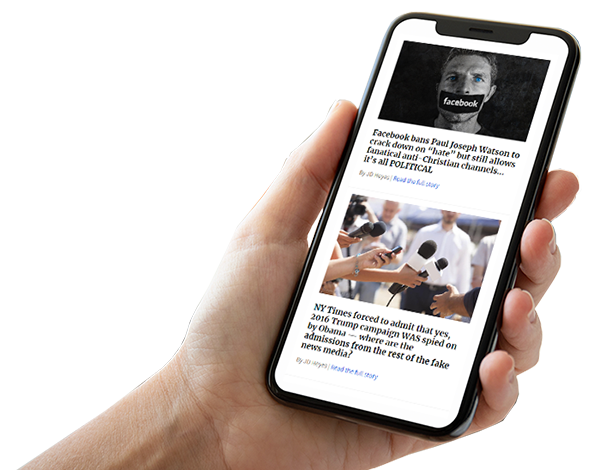

"Big Tech and mainstream media are constantly trying to silence the independent voices that dare to bring you the truth about toxic food ingredients, dangerous medications and the failed, fraudulent science of the profit-driven medical establishment.
Email is one of the best ways to make sure you stay informed, without the censorship of the tech giants (Google, Apple, Facebook, Twitter, YouTube, etc.). Stay informed and you'll even likely learn information that may help save your own life."
–The Health Ranger, Mike Adams