




Should We Tax Sodas and Junk Food to Pay for Health Care?
 Monday, August 03, 2009 Monday, August 03, 2009by Mike Adams, the Health Ranger Editor of NaturalNews.com (See all articles...) Tags: sin taxes, health news, Natural News |
- Home remedies from herbal teas and grocery foods dissolve kidney stones and reverse renal failure
- Lack of Forgiveness Can Affect Our Health
- Organic sulfur crystals are a miracle food that provides amazing health benefits
- Simple exercises to improve your eyesight naturally
- Eighteen Overlooked Symptoms of Adrenal Fatigue
- The best and worst forms of magnesium to take as a supplement
- Second Great Depression: 25 percent of Americans between 25 and 54 currently not working
- The mineral selenium proves itself as powerful anti-cancer medicine
- Boost Low White Blood Cell Count and Immune Function Naturally
- The REAL FAKE NEWS exposed: '97% of scientists agree on climate change' is an engineered hoax... here's what the media never told you
- Royal Rife: Cancer Cure Genius Silenced by Medical Mafia
- Seven foods that will naturally cleanse your liver
- Beat Crohn's disease naturally
- Resveratrol in grapes and wine protects from deafness and Alzheimer's
- Natural Birth Control: Use Hot Water and Papaya Seeds
- Seventy-five percent of honey bought at the supermarket isn't real honey
- Eliminate gout, arthritis and fibromyalgia pain FAST with 3 natural home remedies
- Principle of astrology proven to be scientific: planetary position imprints biological clocks of mammals
- Home remedies from herbal teas and grocery foods dissolve kidney stones and reverse renal failure
- Lack of Forgiveness Can Affect Our Health
- Apricot Seeds Kill Cancer Cells without Side Effects
- The United Nations 2030 Agenda decoded: It's a blueprint for the global enslavement of humanity under the boot of corporate masters
- Eighteen Overlooked Symptoms of Adrenal Fatigue
- Before his death, father of ADHD admitted it was a fictitious disease
- The REAL FAKE NEWS exposed: '97% of scientists agree on climate change' is an engineered hoax... here's what the media never told you
- Ten reasons why you shouldn't vaccinate your children
- Organic sulfur crystals are a miracle food that provides amazing health benefits
- The best and worst forms of magnesium to take as a supplement
- Indian black salve: The magical cancer cure
- Bill Gates says vaccines can help reduce world population
- Boost Low White Blood Cell Count and Immune Function Naturally
- Top 10 inexpensive food items that can PREVENT nearly every disease and disorder known to mankind
- How to Detox Fluorides from Your Body
- Baking soda, cancer and fungus
- 30 solid scientific studies that prove vaccines are linked with autism
- Dental x-rays can cause brain tumors
- Peanut oil in vaccines behind widespread peanut allergy epidemic
- The REAL FAKE NEWS exposed: '97% of scientists agree on climate change' is an engineered hoax... here's what the media never told you
- Home remedies from herbal teas and grocery foods dissolve kidney stones and reverse renal failure
- 'Never has there been a safe vaccine,' Suzanne Humphries, MD, says in interview
- Lack of Forgiveness Can Affect Our Health
- Forget Filling Cavities: Regrow Your Teeth Instead
- The United Nations 2030 Agenda decoded: It's a blueprint for the global enslavement of humanity under the boot of corporate masters
- Bill Gates says vaccines can help reduce world population
- The best and worst forms of magnesium to take as a supplement
- Apricot Seeds Kill Cancer Cells without Side Effects
- Global warming data FAKED by government to fit climate change fictions
- How to Detox Fluorides from Your Body
- Ten reasons why you shouldn't vaccinate your children
- Beat cancer with 35% hydrogen peroxide
- Canola oil: a chemical carcinogen that doesn't belong anywhere near your food
- Eighteen Overlooked Symptoms of Adrenal Fatigue
- Boost Low White Blood Cell Count and Immune Function Naturally
- Colorado Batman shooting shows obvious signs of being staged
- The REAL FAKE NEWS exposed: '97% of scientists agree on climate change' is an engineered hoax... here's what the media never told you
- Beat cancer with 35% hydrogen peroxide
- The best and worst forms of magnesium to take as a supplement
- The United Nations 2030 Agenda decoded: It's a blueprint for the global enslavement of humanity under the boot of corporate masters
- Apricot Seeds Kill Cancer Cells without Side Effects
- Bill Gates says vaccines can help reduce world population
- Forget Filling Cavities: Regrow Your Teeth Instead
- The MMR vaccine, autism connection
- Six little-known natural remedies for tinnitus
- Supplements to detox the body from vaccinations
- What's really in vaccines? Proof of MSG, formaldehyde, aluminum and mercury
- Dandelion root extract found to kill leukemia cells, prostate cancer cells and chemo-resistant melanoma
- Reverse and eliminate cataracts naturally without surgery
- Peanut oil in vaccines behind widespread peanut allergy epidemic
- High-dose vitamin C injections shown to annihilate cancer
- Indian black salve: The magical cancer cure
- Eighteen Overlooked Symptoms of Adrenal Fatigue
- INVESTIGATION: Three days before Dr. Bradstreet was found dead in a river, U.S. govt. agents raided his research facility to seize a breakthrough cancer treatment called GcMAF





And drank pop 'til his health came undone.
His kidneys turned blue
But he said, "I've got two."
"So I'll drink 'til I only lose one."
The debate over health care reform has run smack into a brick wall of economic reality. There's just not enough money to pay for all the disease in America, it seems, and now lawmakers are desperately searching for new sources that might bridge the financial gaps. Their latest scheme involves taxing sodas with a three-cent tax to raise an extra $24 billion over the next four years.
At first, taxing soda might seem like a good idea. Sodas, after all, promote diabetes, obesity, bone loss and many other costly health conditions. It only stands to reason that people who drink soda should pay a little more towards a national health care plan.
But there are problems with this idea of a soda tax. For starters, it's a highly regressive tax that ultimately gets paid mostly by low-income, low-education people (the kind of people who drink a lot of soda). It's a tax, in other words, on those who can least afford it.
Another problem with such a tax is that if the U.S. government is going to use taxes to modify consumer behavior, it would seem prudent to first end the government subsidies on sugar that have existed since World War II. Why are we still using taxpayer dollars to lower the price of sugar when refined white sugar contributes so much to our nation's health problems?
Then there's the question of where the money will go. Even if you slap a five-cent tax on every can of soda, does that money actually end up going towards improved health care, or is it just lost in the morass of bureaucratic incompetude that wanders the halls of Washington these days?
Case in point: The government settlement with Big Tobacco. All that tobacco money that was supposed to go to "improving health care" across America has actually ended up in the general budgets of most states, where it gets wasted on a thousand different things that have nothing to do with health care. A soda tax would likely end up being lost in the system in much the same way.
A better solution for influencing consumer behavior
Slapping new "sin taxes" on consumer products as a way to shape consumer behavior while raising money is a seductively attractive idea if you're a bureaucrat with an itchy trigger finger. It seems (at first, at least) economically and morally sound: Make the people who cause the problem pay more for fixing it. It all seems so simple: Let cigarette taxes pay for health care. Let soda taxes help fight obesity. Let alcohol taxes pay for alcohol addiction recovery centers. But in the real world, it never quite works that way: Money gets stolen away for other uses, rarely going to the intended beneficiary. Meanwhile, the taxes end up hurting those consumers who can least afford it.A far better option is educating consumers about the harm these products cause. Put large, unambiguous warnings on cigarettes like, "SMOKING CAUSES CANCER" along with a horrifying picture of a diseased lung. On soda cans, you could require warnings like, "DRINKING SODA CAUSES KIDNEY STONES" along with a picture of a short, sweaty man holding his junk and screaming in pain.
You get the idea. Why waste all that time and effort collecting and distributing a five-cent soda tax when you can just use pictures and warning labels to influence consumer behavior?
Of course, using honest labels on harmful products doesn't raise money for bureaucrats to ferret away in their favorite pork projects, but it does accomplish something much more important: It reduces long-term health care costs by dissuading people from consuming harmful products.
Sure, it doesn't stop every ignorant teen from slamming colas while he becomes obese and diabetic, but it does have a positive influence on many. The sad truth is that most people who drink soda have no idea the phosphoric acid causes bone mineral loss and kidney stones. They have no clue that high-fructose corn syrup promotes diabetes and obesity. They just don't know about the harmful effects of drinking highly acidic liquid sugar beverages, and that's part of the reason why they keep drinking them.
In my opinion, large health warnings should be required on all sodas and junk food products. And they should be blunt: Soda causes diabetes. Donuts cause obesity and heart disease. Hot dogs cause cancer. The list goes on...
Such a proposal would horrify the corporate giants in the food and beverage industries, of course. Their sales depend on consumers staying ignorant about the ravaging health effects of their products. Requiring their labels to tell the truth would devastate their sales and profits. The processed food industry would suffer huge economic losses. So would the sick care industry as fewer people suffer degenerative disease. Lots of jobs would be lost as people avoided disease-promoting foods.
And that should be the ultimate goal: A huge downsizing of the junk food and sick care industries. The smaller they are, the better off the people are. Ultimately, we should strive to destroy the sick care industry altogether. The day Big Pharma's top corporations declare bankruptcy due to a lack of sales is the day we've achieved something meaningful for the health of our nation. And we're not going to get there by taxing sodas without telling people the truth about how sodas destroy their health.


Sin taxes at FETCH.news
Get independent news alerts on natural cures, food lab tests, cannabis medicine, science, robotics, drones, privacy and more.
 About the author:Mike Adams (aka the "Health Ranger") is a best selling author (#1 best selling science book on Amazon.com) and a globally recognized scientific researcher in clean foods. He serves as the founding editor of NaturalNews.com and the lab science director of an internationally accredited (ISO 17025) analytical laboratory known as CWC Labs. There, he was awarded a Certificate of Excellence for achieving extremely high accuracy in the analysis of toxic elements in unknown water samples using ICP-MS instrumentation. Adams is also highly proficient in running liquid chromatography, ion chromatography and mass spectrometry time-of-flight analytical instrumentation.
Adams is a person of color whose ancestors include Africans and Native American Indians. He's also of Native American heritage, which he credits as inspiring his "Health Ranger" passion for protecting life and nature against the destruction caused by chemicals, heavy metals and other forms of pollution.
Adams is the founder and publisher of the open source science journal Natural Science Journal, the author of numerous peer-reviewed science papers published by the journal, and the author of the world's first book that published ICP-MS heavy metals analysis results for foods, dietary supplements, pet food, spices and fast food. The book is entitled Food Forensics and is published by BenBella Books.
In his laboratory research, Adams has made numerous food safety breakthroughs such as revealing rice protein products imported from Asia to be contaminated with toxic heavy metals like lead, cadmium and tungsten. Adams was the first food science researcher to document high levels of tungsten in superfoods. He also discovered over 11 ppm lead in imported mangosteen powder, and led an industry-wide voluntary agreement to limit heavy metals in rice protein products.
In addition to his lab work, Adams is also the (non-paid) executive director of the non-profit Consumer Wellness Center (CWC), an organization that redirects 100% of its donations receipts to grant programs that teach children and women how to grow their own food or vastly improve their nutrition. Through the non-profit CWC, Adams also launched Nutrition Rescue, a program that donates essential vitamins to people in need. Click here to see some of the CWC success stories.
With a background in science and software technology, Adams is the original founder of the email newsletter technology company known as Arial Software. Using his technical experience combined with his love for natural health, Adams developed and deployed the content management system currently driving NaturalNews.com. He also engineered the high-level statistical algorithms that power SCIENCE.naturalnews.com, a massive research resource featuring over 10 million scientific studies.
Adams is well known for his incredibly popular consumer activism video blowing the lid on fake blueberries used throughout the food supply. He has also exposed "strange fibers" found in Chicken McNuggets, fake academic credentials of so-called health "gurus," dangerous "detox" products imported as battery acid and sold for oral consumption, fake acai berry scams, the California raw milk raids, the vaccine research fraud revealed by industry whistleblowers and many other topics.
Adams has also helped defend the rights of home gardeners and protect the medical freedom rights of parents. Adams is widely recognized to have made a remarkable global impact on issues like GMOs, vaccines, nutrition therapies, human consciousness.
In addition to his activism, Adams is an accomplished musician who has released over a dozen popular songs covering a variety of activism topics.
Click here to read a more detailed bio on Mike Adams, the Health Ranger, at HealthRanger.com.

Take Action: Support Natural News by linking to this article from your website
Permalink to this article:
Embed article link: (copy HTML code below):
Reprinting this article:
Non-commercial use OK, cite NaturalNews.com with clickable link.
Follow Natural News on Facebook, Twitter, Google Plus, and Pinterest

Science News & Studies

Medicine News and Information

Food News & Studies

Health News & Studies

Herbs News & Information

Pollution News & Studies

Cancer News & Studies

Climate News & Studies

Survival News & Information

Gear News & Information

News covering technology, stocks, hackers, and more




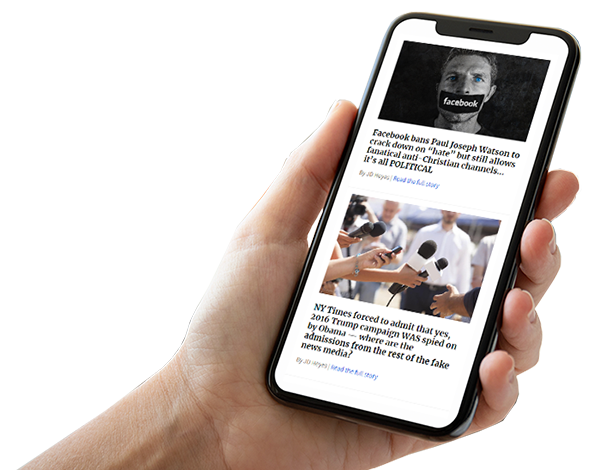

"Big Tech and mainstream media are constantly trying to silence the independent voices that dare to bring you the truth about toxic food ingredients, dangerous medications and the failed, fraudulent science of the profit-driven medical establishment.
Email is one of the best ways to make sure you stay informed, without the censorship of the tech giants (Google, Apple, Facebook, Twitter, YouTube, etc.). Stay informed and you'll even likely learn information that may help save your own life."
–The Health Ranger, Mike Adams