



New Study Shows Pregnant Women Benefit from Mediterranean Diet
Wednesday, November 12, 2008 by: David Gutierrez, staff writer
Tags: prenatal nutrition, health news, Natural News
- The REAL FAKE NEWS exposed: '97% of scientists agree on climate change' is an engineered hoax... here's what the media never told you
- Repeat business? FDA approves new cancer drug to treat toxicity caused by another cancer drug
- It's all scripted! Ebola outbreak and impossibly rapid vaccine response clearly scripted; U.S. govt. patented Ebola in 2010 and now owns all victims' blood
- Peanut oil in vaccines behind widespread peanut allergy epidemic
- Health blogger threatened with jail time for advocating Paleo diet that cured his diabetes
- Visionary internet activist Aaron Swartz found dead; was this brilliant internet revolutionary 'taken out?'
- Boost Low White Blood Cell Count and Immune Function Naturally
- Merck vaccine scientist Dr. Maurice Hilleman admitted presence of SV40, AIDS and cancer viruses in vaccines
- Terminal stage IV lung cancer patient miraculously cured by cannabis oil
- Infants fed rice have twice as high urinary arsenic concentrations than infants fed no rice
- Shock findings in new GMO study: Rats fed lifetime of GM corn grow horrifying tumors, 70% of females die early
- Ron Paul Introduces Three New Bills Designed to Restore Free Speech to Health
- AIDS Breakthrough: Astragalus Root Could Replace HIV Drugs
- Bill Gates funds technology to destroy your sperm
- Magnesium Deficiency Linked to ADD and ADHD in Children
- The medicine cabinet in your kitchen - Heal with ten top common herbs and spices
- The hidden dangers of wireless baby monitors
- Mammograms cause breast cancer, groundbreaking new research declares
- Peanut oil in vaccines behind widespread peanut allergy epidemic
- The REAL FAKE NEWS exposed: '97% of scientists agree on climate change' is an engineered hoax... here's what the media never told you
- The United Nations 2030 Agenda decoded: It's a blueprint for the global enslavement of humanity under the boot of corporate masters
- Forget Filling Cavities: Regrow Your Teeth Instead
- Beat cancer with 35% hydrogen peroxide
- Cancer is not a Disease - It's a Survival Mechanism (Book Excerpt)
- Tyson Foods Fined $500,000 in Death Of Worker Who Inhaled Chicken Processing Plant Fumes
- Bill Gates says vaccines can help reduce world population
- Measles outbreak likely caused by vaccinated children, science shows
- Health Ranger threatened by Dr. Fata chemotherapy victims group after attempting to donate immune-boosting nutritional supplements to its members
- U.S. has worst health outcomes of all wealthy countries, study finds
- Colorado Batman shooting shows obvious signs of being staged
- Shock findings in new GMO study: Rats fed lifetime of GM corn grow horrifying tumors, 70% of females die early
- 3 reasons hospitals are not a good place to heal
- CENSORED: The Atlantic buried this amazing interview with the Health Ranger after realizing his answers made too much sense
- Review: Pure Synergy and Vita Synergy food-based vitamins and supplements
- Mammograms cause breast cancer, groundbreaking new research declares
- Reverse and eliminate cataracts naturally without surgery
- 'Never has there been a safe vaccine,' Suzanne Humphries, MD, says in interview
- Peanut oil in vaccines behind widespread peanut allergy epidemic
- The REAL FAKE NEWS exposed: '97% of scientists agree on climate change' is an engineered hoax... here's what the media never told you
- Bill Gates says vaccines can help reduce world population
- Lack of Forgiveness Can Affect Our Health
- The United Nations 2030 Agenda decoded: It's a blueprint for the global enslavement of humanity under the boot of corporate masters
- Shock findings in new GMO study: Rats fed lifetime of GM corn grow horrifying tumors, 70% of females die early
- The best and worst forms of magnesium to take as a supplement
- Beat cancer with 35% hydrogen peroxide
- Forget Filling Cavities: Regrow Your Teeth Instead
- Global warming data FAKED by government to fit climate change fictions
- Eighteen Overlooked Symptoms of Adrenal Fatigue
- Apricot Seeds Kill Cancer Cells without Side Effects
- Baking Soda Prevents Kidney Disease, Renal Failure and Kidney Dialysis
- Colorado Batman shooting shows obvious signs of being staged
- How to Detox Fluorides from Your Body
- Antibiotics used in meat pose a threat to public health, admits FDA
- Urgent lawsuit filed against FDA to halt swine flu vaccines; claims FDA violated federal law
- The REAL FAKE NEWS exposed: '97% of scientists agree on climate change' is an engineered hoax... here's what the media never told you
- Beat cancer with 35% hydrogen peroxide
- The best and worst forms of magnesium to take as a supplement
- The United Nations 2030 Agenda decoded: It's a blueprint for the global enslavement of humanity under the boot of corporate masters
- Apricot Seeds Kill Cancer Cells without Side Effects
- Bill Gates says vaccines can help reduce world population
- Forget Filling Cavities: Regrow Your Teeth Instead
- Six little-known natural remedies for tinnitus
- The MMR vaccine, autism connection
- Supplements to detox the body from vaccinations
- Dandelion root extract found to kill leukemia cells, prostate cancer cells and chemo-resistant melanoma
- What's really in vaccines? Proof of MSG, formaldehyde, aluminum and mercury
- Reverse and eliminate cataracts naturally without surgery
- High-dose vitamin C injections shown to annihilate cancer
- Peanut oil in vaccines behind widespread peanut allergy epidemic
- Indian black salve: The magical cancer cure
- INVESTIGATION: Three days before Dr. Bradstreet was found dead in a river, U.S. govt. agents raided his research facility to seize a breakthrough cancer treatment called GcMAF
- The aloe vera miracle: A natural medicine for cancer, cholesterol, diabetes, inflammation, IBS, and other health conditions





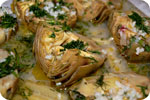
The so-called Mediterranean diet, the label for the traditional eating patterns of certain Mediterranean cultures, is high in fruits, vegetables, whole grains, legumes, nuts, olive oil and fish. Red meat is consumed infrequently, non-red meat slightly more frequently, and dairy products and eggs are eaten at low to moderate levels.
Prior research has suggested that children who eat a Mediterranean diet are less likely to develop asthma or allergies of the skin and upper respiratory system. In the current study, researchers followed 416 mother-child pairs to see if the same protection could be conferred to children by their mother's diet during pregnancy.
The mothers were ranked for their adherence to the Mediterranean diet. The majority of them scored high, while approximately 36 percent scored low.
"Children from the 'low score' group were at higher risk to develop asthma and allergies than counterparts from the 'high score' group," said lead researcher Leda Chatzi.
Crete is known for having low rates of asthma and hay fever, a pattern that has been attributed to the prevalence of the Mediterranean diet there.
When mothers consumed eight or more servings of vegetables or three or more servings of finish each week while pregnant, their children were significantly less likely to develop persistent wheezing.
In another recent study, scientists found that asthmatic adults may be able to reduce their risk of attacks of sticking to Mediterranean diet. The study, conducted by researchers from the University of Puerto, Portugal, and published in the journal Allergy, found that asthma attacks were 78 percent less likely among those who ate the Mediterranean Diet than among those who did not.
Sources for this story include: www.reuters.com; www.dailymail.com.


Prenatal nutrition at FETCH.news
Get independent news alerts on natural cures, food lab tests, cannabis medicine, science, robotics, drones, privacy and more.

Take Action: Support Natural News by linking to this article from your website
Permalink to this article:
Embed article link: (copy HTML code below):
Reprinting this article:
Non-commercial use OK, cite NaturalNews.com with clickable link.
Follow Natural News on Facebook, Twitter, Google Plus, and Pinterest

Science News & Studies

Medicine News and Information

Food News & Studies

Health News & Studies

Herbs News & Information

Pollution News & Studies

Cancer News & Studies

Climate News & Studies

Survival News & Information

Gear News & Information

News covering technology, stocks, hackers, and more






"Big Tech and mainstream media are constantly trying to silence the independent voices that dare to bring you the truth about toxic food ingredients, dangerous medications and the failed, fraudulent science of the profit-driven medical establishment.
Email is one of the best ways to make sure you stay informed, without the censorship of the tech giants (Google, Apple, Facebook, Twitter, YouTube, etc.). Stay informed and you'll even likely learn information that may help save your own life."
–The Health Ranger, Mike Adams