



Simulin from Fruits Protects People From Diabetic Effects of Dietary Sugars
Friday, November 07, 2008 by: David Gutierrez, staff writer
Tags: fruits, health news, Natural News
- Vaccine mafia earns 'F' in science: Australian Health Minister utters the most insanely stupid anti-science statement ever recorded... 'no risks in vaccinating children'
- The real vaccine scam is not that they cause autism, but that they don't even work!
- Vaccinated children have up to 500% more disease than unvaccinated children
- How to make an Orgone Accumulator for improved health and energy
- Saffron cures macular degeneration
- Treating Herpes Naturally and with Fewer Side Effects
- Tungsten in rice protein: Health Ranger releases new chart, petitions all protein manufacturers to commit to reasonable industry standards for heavy metals
- INVESTIGATION: Three days before Dr. Bradstreet was found dead in a river, U.S. govt. agents raided his research facility to seize a breakthrough cancer treatment called GcMAF
- Genital Herpes May be Reversed with Natural Medicine
- Liposomal vitamin C: More potency and less expense than IV mega-dose vitamin C
- Four things you need to know about cancer and Candida
- Natural News launches 'miracle' Ozone Dentistry product for gum care: O3 Essentials OraJuvenate
- Herbs destroy mycoplasma, disabling deadly opportunistic infections: Research
- Secret audio of Aajonus Vonderplanitz demanding $500,000 from Sharon Palmer released by mystery blogger
- The FDA Exposed: An Interview With Dr. David Graham, the Vioxx Whistleblower
- 131 Ways for an Infant to Die: Vaccines and Sudden Death
- The healing power of honey: From burns to weak bones, raw honey can help
- Vaccines have been based on medical fraud for over a hundred years
- Vaccine mafia earns 'F' in science: Australian Health Minister utters the most insanely stupid anti-science statement ever recorded... 'no risks in vaccinating children'
- Vaccinated children have up to 500% more disease than unvaccinated children
- The real vaccine scam is not that they cause autism, but that they don't even work!
- The MMR vaccine, autism connection
- Resveratrol in red wine protects the brain from stroke damage
- Repel ticks with this natural oil
- The United Nations 2030 Agenda decoded: It's a blueprint for the global enslavement of humanity under the boot of corporate masters
- INVESTIGATION: Three days before Dr. Bradstreet was found dead in a river, U.S. govt. agents raided his research facility to seize a breakthrough cancer treatment called GcMAF
- FDA-approved drug turns ordinary people into obedient zombies... saps all free will... allows people to be programmed by the media or government... sold as transdermal patch
- Skin tags - Natural remedies and prevention
- Saffron cures macular degeneration
- Colorado Batman shooting shows obvious signs of being staged
- A look at the MMR vaccine ingredients
- How to make an Orgone Accumulator for improved health and energy
- Lower your homocysteine levels naturally
- Treat Skin Rashes with Natural Remedies
- The most frequently used words on television
- CLAIM: Cell towers across the USA are broadcasting brain resonance frequencies to disrupt human minds, says former DARPA scientist
- The MMR vaccine, autism connection
- The best and worst forms of magnesium to take as a supplement
- Vaccine mafia earns 'F' in science: Australian Health Minister utters the most insanely stupid anti-science statement ever recorded... 'no risks in vaccinating children'
- The United Nations 2030 Agenda decoded: It's a blueprint for the global enslavement of humanity under the boot of corporate masters
- Vaccinated children have up to 500% more disease than unvaccinated children
- The real vaccine scam is not that they cause autism, but that they don't even work!
- Colorado Batman shooting shows obvious signs of being staged
- Use natural remedies for a hiatal hernia
- Reverse and eliminate cataracts naturally without surgery
- Top six alkaline foods to eat every day for vibrant health
- Apricot Seeds Kill Cancer Cells without Side Effects
- Boost Low White Blood Cell Count and Immune Function Naturally
- Vaccine fraud exposed: Measles and mumps making a huge comeback because vaccines are designed to fail, say Merck virologists
- Extreme breastfeeding? Woman saves Rottweiler pup by breastfeeding it alongside her own infant
- Beat cancer with 35% hydrogen peroxide
- Cannabis kicks Lyme disease to the curb
- Baking soda, cancer and fungus
- Flu vaccines causing massive spike in deaths of elderly across the UK, warn health officials
- Eleven days before Iran bombed Tel Aviv, my microscope revealed haunting images of EXACTLY what would happen
- DECENTRALIZED SPIRITUALITY and the true teachings of Christ: Overcoming the censorship, threats and lies of organized religion to truly know God and the Universal Christ
- Morphic resonance “remote viewing” reveals iconic Middle East images of stealth bombers, a falcon and a one-horned ram
- The Coming Gold Revaluation: Strategic Financial Realignment in an Era of Dollar Collapse
- The AI Data Center Wars Have Begun… Farms, Water and Electricity is Stripped from Humans to Power the Machines
- Urgent Wake-Up Call: The Coming AI Robot Wars and the Great Human Unity
- The War on Light: How Governments and Big Pharma Keep You Sick By Blocking Healing Photons
- HEALTH SECRETS: How to Instantly Block MSG Toxicity Using Natural Substances (and the secret of Methylene Blue)
- THE AI RACE IS ALREADY WON: How China’s power dominance (and America’s climate lunacy surrender) secured its victory in the race to AI superintelligence
- Why the U.S. Government May be Seeking to Slaughter 200 Million Americans to Free Up Excess Power for AI Data Centers and the Race to Superintelligence
- Trump's Trojan Horse: How Stablecoins Are Secretly Paving the Way for a CBDC Control Grid – an Interview with Catherine Austin Fitts
- EXCLUSIVE REPORT: The Trump-Putin Meeting in Alaska - A Historic Pivot that Redefined Global Power
- Amazing microscopy photos reveal how freezing crystals attempt to mimic electronic structures they are touching
- 18 MILLION COVID-JABBED Japanese folks shown to have SIGNIFICANTLY HIGHER DEATH RATES during first year after injection with mRNA clot shots
- BOMBSHELL: Internal Pfizer documents exposed and reveal at least 16 PERCENT of their mRNA vaccine "adverse events" are REPRODUCTIVE DISORDERS
- AI & economic liberty: Will decentralized tech save human autonomy?
- Injecting chemicals is MORE DANGEROUS than eating them, so why is polysorbate 80 banned in ICE CREAM but allowed in VACCINES?
- BOMBSHELL: DNA testing kits are a SCAM to develop ethnic-specific bioweapons





ATM Metabolics is a research company specializing in treatment of metabolic and neurological disorders.
The researchers isolated and tested a chemical, which they call simulin, and found that it accelerated the removal of excess sugar from the bloodstream, increased the sensitivity of insulin receptors, reduced the amount of carbohydrates absorbed, and reduced the amount of glucose manufactured by the liver. It also helped "[mobilize] carbohydrates from the fat cells."
Calling simulin a "sugar defense mechanism," the researchers said their findings suggested the chemical helps the body deal with sugar's potentially harmful effects. If added to foods and beverages, they said, it might help protect against diabetes and even allow diabetics to eat sugary foods again.
Simulin is not a sweetener, but rather a compound that could be added to already sweetened products.
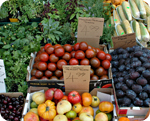
The researchers have speculated that the chemical evolved as a way to encourage animals to eat more fruit by protecting them against diabetes.
"Fruit plants depend on their fruits being eaten to spread, so it makes sense that they would do everything they could to keep their fruit on the menu," said researcher Daryl Thompson. "This could be why humans didn't become diabetic despite eating so much sugar in fruit and vegetables."
Thompson said that further studies of simulin's effects are underway to clear the way for its use as a commercial food additive. He said that because the product is natural, it should not need to receive special FDA approval, and could probably achieve Generally Recognized As Safe status.
For the same reason, he expects companies and consumers to line up once the product is ready.
"We've had a good response from the food industry," he said, "and we think consumers will accept it because it is natural."


Fruits at FETCH.news
Get independent news alerts on natural cures, food lab tests, cannabis medicine, science, robotics, drones, privacy and more.

Take Action: Support Natural News by linking to this article from your website
Permalink to this article:
Embed article link: (copy HTML code below):
Reprinting this article:
Non-commercial use OK, cite NaturalNews.com with clickable link.
Follow Natural News on Facebook, Twitter, Google Plus, and Pinterest

Science News & Studies

Medicine News and Information

Food News & Studies

Health News & Studies

Herbs News & Information

Pollution News & Studies

Cancer News & Studies

Climate News & Studies

Survival News & Information

Gear News & Information

News covering technology, stocks, hackers, and more





"Big Tech and mainstream media are constantly trying to silence the independent voices that dare to bring you the truth about toxic food ingredients, dangerous medications and the failed, fraudulent science of the profit-driven medical establishment.
Email is one of the best ways to make sure you stay informed, without the censorship of the tech giants (Google, Apple, Facebook, Twitter, YouTube, etc.). Stay informed and you'll even likely learn information that may help save your own life."
–The Health Ranger, Mike Adams