




Gum Disease May Cause Gestational Diabetes in Expectant Mothers
Friday, October 24, 2008 by: David Gutierrez, staff writer
Tags: gum disease, health news, Natural News
- 'Rollie pollies' remove heavy metals from soil, stabilizing growing conditions, protecting groundwater
- Children's Fitness Levels Continue to Decline; Today's Kids are Weak and Unfit
- Detox with diatomaceous earth to remove allergies, mercury, chemicals, GMOs, parasites
- Boost Low White Blood Cell Count and Immune Function Naturally
- Get the benefits of mega-dose IV vitamin C without IVs - by yourself
- Harvard research links fluoridated water to ADHD, mental disorders
- DAO enzymes and histamine intolerance
- Chinese herbs kill cancer cells: study
- The powerful health benefits of curcumin
- The MMR vaccine, autism connection
- Fluoridation is the Ultimate Deception (Opinion)
- Extreme breastfeeding? Woman saves Rottweiler pup by breastfeeding it alongside her own infant
- NaturalNews, Health Ranger officially endorse GMO labeling ballot measure; Vote YES on 37 'Right to Know' in California
- How to heal cavities naturally
- Vaccine fraud exposed: Measles and mumps making a huge comeback because vaccines are designed to fail, say Merck virologists
- The REAL FAKE NEWS exposed: '97% of scientists agree on climate change' is an engineered hoax... here's what the media never told you
- Drinking tea cuts risk of heart disease by one-third
- White meat, the other red meat that taxes your entire digestive system
- The MMR vaccine, autism connection
- The best and worst forms of magnesium to take as a supplement
- The United Nations 2030 Agenda decoded: It's a blueprint for the global enslavement of humanity under the boot of corporate masters
- 'Rollie pollies' remove heavy metals from soil, stabilizing growing conditions, protecting groundwater
- How to heal cavities naturally
- Vitamin B-12 warning: Avoid cyanocobalamin, take only methylcobalamin
- Fluoridation is the Ultimate Deception (Opinion)
- Boost Low White Blood Cell Count and Immune Function Naturally
- Vaccine fraud exposed: Measles and mumps making a huge comeback because vaccines are designed to fail, say Merck virologists
- Sodium benzoate is a preservative that promotes cancer and kills healthy cells
- Article updated with new message from the Health Ranger
- Ten ways to use colloidal silver's amazing healing abilities
- Detox with diatomaceous earth to remove allergies, mercury, chemicals, GMOs, parasites
- Is synthetic folic acid toxic to your body? Research suggests 'yes'
- Man heals stage 3 prostate and colon cancers with raw food diet
- Not getting enough sleep can lead to false memories, schizophrenia and other health problems
- Chinese herbs kill cancer cells: study
- How to heal a cavity naturally and nutritionally without the need for 'drilling and filling'
- The MMR vaccine, autism connection
- The best and worst forms of magnesium to take as a supplement
- The REAL FAKE NEWS exposed: '97% of scientists agree on climate change' is an engineered hoax... here's what the media never told you
- The United Nations 2030 Agenda decoded: It's a blueprint for the global enslavement of humanity under the boot of corporate masters
- Water filters tested for heavy metals removal: Zero Water, Pur, Brita, Mavea, Culligan, Seychelle and Waterman
- Indian black salve: The magical cancer cure
- Peanut oil in vaccines behind widespread peanut allergy epidemic
- Apricot Seeds Kill Cancer Cells without Side Effects
- Baking soda, cancer and fungus
- Eighteen Overlooked Symptoms of Adrenal Fatigue
- Sugar takes on high fructose corn syrup in high stakes legal battle to see which is most unhealthy
- Forget Filling Cavities: Regrow Your Teeth Instead
- The remarkable health benefits of Epsom salt baths
- Vaccine fraud exposed: Measles and mumps making a huge comeback because vaccines are designed to fail, say Merck virologists
- The aloe vera miracle: A natural medicine for cancer, cholesterol, diabetes, inflammation, IBS, and other health conditions
- NASA admits to spraying Americans with poisonous chemtrails
- The remarkable health benefits of oil pulling
- Ten ways to use colloidal silver's amazing healing abilities
- Eleven days before Iran bombed Tel Aviv, my microscope revealed haunting images of EXACTLY what would happen
- Morphic resonance “remote viewing” reveals iconic Middle East images of stealth bombers, a falcon and a one-horned ram
- DECENTRALIZED SPIRITUALITY and the true teachings of Christ: Overcoming the censorship, threats and lies of organized religion to truly know God and the Universal Christ
- HEALTH SECRETS: How to Instantly Block MSG Toxicity Using Natural Substances (and the secret of Methylene Blue)
- The Coming Gold Revaluation: Strategic Financial Realignment in an Era of Dollar Collapse
- The AI Data Center Wars Have Begun… Farms, Water and Electricity is Stripped from Humans to Power the Machines
- Urgent Wake-Up Call: The Coming AI Robot Wars and the Great Human Unity
- The War on Light: How Governments and Big Pharma Keep You Sick By Blocking Healing Photons
- Amazing microscopy photos reveal how freezing crystals attempt to mimic electronic structures they are touching
- THE AI RACE IS ALREADY WON: How China’s power dominance (and America’s climate lunacy surrender) secured its victory in the race to AI superintelligence
- Why the U.S. Government May be Seeking to Slaughter 200 Million Americans to Free Up Excess Power for AI Data Centers and the Race to Superintelligence
- Trump's Trojan Horse: How Stablecoins Are Secretly Paving the Way for a CBDC Control Grid – an Interview with Catherine Austin Fitts
- EXCLUSIVE REPORT: The Trump-Putin Meeting in Alaska - A Historic Pivot that Redefined Global Power
- Shingles surge sparks new focus on holistic care: Tackling pain, immunity and risks
- BOMBSHELL: Internal Pfizer documents exposed and reveal at least 16 PERCENT of their mRNA vaccine "adverse events" are REPRODUCTIVE DISORDERS
- Injecting chemicals is MORE DANGEROUS than eating them, so why is polysorbate 80 banned in ICE CREAM but allowed in VACCINES?
- Exploring the depths of alternative medicine: A comprehensive review of “The Gale Encyclopedia of Alternative Medicine”
- 18 MILLION COVID-JABBED Japanese folks shown to have SIGNIFICANTLY HIGHER DEATH RATES during first year after injection with mRNA clot shots





Gestational diabetes occurs when a non-diabetic woman develops insulin resistance and high blood sugar levels solely for the course of her pregnancy. While the condition normally dissipates with the end of pregnancy, it has been linked with an increased risk of complications for infants such as abnormal birth weight, respiratory distress syndrome, high red blood cell mass, and low blood sugar, calcium and magnesium levels.
Later in life, children born from pregnancies involving gestational diabetes are at a higher risk for obesity and Type 2 diabetes. Women who have experienced gestational diabetes likewise have a higher risk of eventually developing Type 2 diabetes.
In the current study, researchers studied 256 pregnant women at Bellevue Hospital Center in New York City. They found that the 22 women who developed gestational diabetes had significantly more gum inflammation and higher levels of bacteria in their gums than the women who did not develop the condition.
The causes of gestational diabetes are not known, although some scientists believe that it is caused by hormones related to pregnancy. Likewise, the link to gum disease is unclear. The researchers suggested that the inflammation caused by gum disease might interfere with proper insulin function, thus predisposing women to gestational diabetes.
The researchers recommended that pregnant women and those planning to become pregnant visit a dentist, particularly women from groups at high risk of gestational diabetes.
Women of Asian, Native American and Latina descent are at higher risk of developing gestational diabetes than women in any other ethnic groups.
Eighty percent of the participants in the NYU study were Latina.


Gum disease at FETCH.news
Get independent news alerts on natural cures, food lab tests, cannabis medicine, science, robotics, drones, privacy and more.

Take Action: Support Natural News by linking to this article from your website
Permalink to this article:
Embed article link: (copy HTML code below):
Reprinting this article:
Non-commercial use OK, cite NaturalNews.com with clickable link.
Follow Natural News on Facebook, Twitter, Google Plus, and Pinterest

Science News & Studies

Medicine News and Information

Food News & Studies

Health News & Studies

Herbs News & Information

Pollution News & Studies

Cancer News & Studies

Climate News & Studies

Survival News & Information

Gear News & Information

News covering technology, stocks, hackers, and more




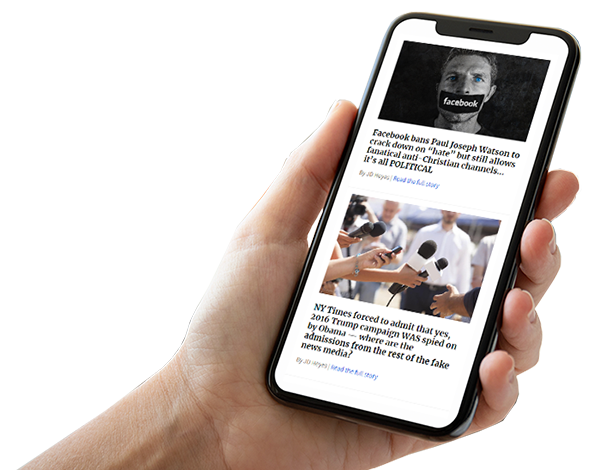

"Big Tech and mainstream media are constantly trying to silence the independent voices that dare to bring you the truth about toxic food ingredients, dangerous medications and the failed, fraudulent science of the profit-driven medical establishment.
Email is one of the best ways to make sure you stay informed, without the censorship of the tech giants (Google, Apple, Facebook, Twitter, YouTube, etc.). Stay informed and you'll even likely learn information that may help save your own life."
–The Health Ranger, Mike Adams