



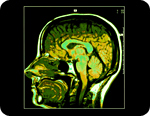
Cancer Drug Causes Permanent Brain Damage
Monday, October 13, 2008 by: David Gutierrez, staff writer
Tags: chemotherapy, health news, Natural News
- These 15 common herbs cure everything from infections to inflammation and indigestion
- Reverse and eliminate cataracts naturally without surgery
- How to overcome insomnia without prescription drugs
- Apricot Seeds Kill Cancer Cells without Side Effects
- INVESTIGATION: Three days before Dr. Bradstreet was found dead in a river, U.S. govt. agents raided his research facility to seize a breakthrough cancer treatment called GcMAF
- Breaking: Courts discreetly confirm MMR vaccine causes autism
- Financial Collapse
- Craniosacral Therapy Works for Plagiocephaly
- CDC exposed as private corporation colluding with Big Pharma to defraud American taxpayers: see the evidence
- Amazing Device Pumps Well Water Using Compressed Air (video)
- Natural help for relieving and treating tinnitus
- Natural News announces lifetime boycott of chemical pesticide companies opposing GMO labeling (Prop 37)
- U.S. researchers create 30 genetically modified human babies
- Cancer causing PFOA chemicals found in water supply of Vermont town
- Soy Protein Used in "Natural" Foods Bathed in Toxic Solvent Hexane
- Prostate cancer risks are reduced almost 50 percent by grapeseed extract
- Disney tries to bury nutrition research it funded after discovering financial ties to discredited Coca-Cola researcher
- Tennesee State University forcing students to wear location-tracking ID badges
- Royal Rife: Cancer Cure Genius Silenced by Medical Mafia
- Cancer researchers announce breakthroughs in natural prostate cancer prevention and treatment
- CDC warns Americans to prepare for zombie apocalypse (really)
- Colorado Batman shooting shows obvious signs of being staged
- U.S. researchers create 30 genetically modified human babies
- The REAL FAKE NEWS exposed: '97% of scientists agree on climate change' is an engineered hoax... here's what the media never told you
- Homeopathy for children's emotional health
- Evidence-based vaccinations: A scientific look at the missing science behind flu season vaccines
- Top 10 most unhealthy, cancer-causing foods - never eat these again!
- Cure fungal infections naturally
- What's really in vaccines? Proof of MSG, formaldehyde, aluminum and mercury
- Prevent or reverse kidney disease and renal failure in cats with Slippery Elm Bark
- Beat cancer with 35% hydrogen peroxide
- Natural News Labs publishes heavy metals test results for seaweeds and sea vegetables: Kelp, Kombu, Wakame, Nori, Dulse and more
- Warning: Many childhood vaccines contain aborted human fetal protein, DNA
- Boost Low White Blood Cell Count and Immune Function Naturally
- A common vegetable cures skin cancer
- Breaking: Courts discreetly confirm MMR vaccine causes autism
- U.S. researchers create 30 genetically modified human babies
- The MMR vaccine, autism connection
- Beat cancer with 35% hydrogen peroxide
- Can you avoid cancer by drinking traditional kefir? Here's the science
- Zeolite detox myths busted: In lab tests, zeolites do NOT bind with aluminum, lead, uranium, mercury or cadmium... only CESIUM
- Evidence-based vaccinations: A scientific look at the missing science behind flu season vaccines
- The best and worst forms of magnesium to take as a supplement
- Reverse and eliminate cataracts naturally without surgery
- H1N1 vaccine linked to 700 percent increase in miscarriages
- The United Nations 2030 Agenda decoded: It's a blueprint for the global enslavement of humanity under the boot of corporate masters
- Apricot Seeds Kill Cancer Cells without Side Effects
- Colorado Batman shooting shows obvious signs of being staged
- BREAKING: Taiwan bans GMOs from school lunches... mandates GMO labeling nationwide... throws down gauntlet on toxic foods from USA and Monsanto
- Treating Herpes Naturally and with Fewer Side Effects
- Eighteen Overlooked Symptoms of Adrenal Fatigue
- Institute of Medicine adverse reactions report admits MMR vaccines cause measles, seizures, anaphylaxis and other health problems
- The best, and worst, laundry detergents with 1,4-dioxane contamination
- CLAIM: Cell towers across the USA are broadcasting brain resonance frequencies to disrupt human minds, says former DARPA scientist
- The AI Data Center Wars Have Begun… Farms, Water and Electricity is Stripped from Humans to Power the Machines
- Urgent Wake-Up Call: The Coming AI Robot Wars and the Great Human Unity
- The War on Light: How Governments and Big Pharma Keep You Sick By Blocking Healing Photons
- EXCLUSIVE REPORT: The Trump-Putin Meeting in Alaska - A Historic Pivot that Redefined Global Power
- The Coming Gold Revaluation: Strategic Financial Realignment in an Era of Dollar Collapse
- 18 MILLION COVID-JABBED Japanese folks shown to have SIGNIFICANTLY HIGHER DEATH RATES during first year after injection with mRNA clot shots
- AI & economic liberty: Will decentralized tech save human autonomy?
- Franken-butter: Startup backed by Bill Gates creates butter from thin air
- How a nasal spray vaccine could turn Americans into walking bioweapons this Fall
- Brussels-Washington trade deal grinds to halt amid clash over digital CENSORSHIP laws
- Security clearances revoked for 37 Biden/Obama officials as Gabbard targets “weaponized intelligence”
- Coral resilience defies climate doom: New studies reveal ancient reefs flourished in warmer seas
- Trump admin mulls travel bans on EU officials behind digital censorship laws
- EU’s Media Freedom Act criticized as gateway to censorship and state control
- U.S. State Department condemns “buffer zones” outside U.K. abortion clinics as assault on free speech and religious liberty
- AI takeover: 50% of remote jobs to be replaced within 3 years as machines outperform humans in fairness and accuracy
- Brazil’s digital identity push: For child safety or state control?
- Groundbreaking study on FENBENDAZOLE published: Stage IV cancer patients in REMISSION – no chemo needed





"It is clear that, in some patients, chemotherapy appears to trigger a degenerative condition in the central nervous system," lead researcher Mark Noble said.
The findings may help explain why many chemotherapy patients complain of a condition called "chemo brain," suffering impaired concentration, memory loss, and even vision problems, dementia or seizures. According to a previous study by the same research team, more than 82 percent of breast cancer patients report at least one negative cognitive side effect from chemotherapy.
A different study found that 50 percent of breast cancer survivors still felt cognitively impaired one year after the end of chemotherapy, while another estimated that the effects last for years in 15 to 20 percent of women.
Many health professionals have dismissed these symptoms as side effects of cancer-related anxiety, depression or fatigue, saying there is no evidence for physical causes.
In the current study, researchers gave the drug 5-fluorouracil (5-FU) to mice and observed the effects on their brains. They found that 5-FU attacked cells in the brain known as oligodendrocytes, destroying them so thoroughly that even six months after the end of treatment, the mice's brains were almost devoid of the cells.
Oligodendrocytes are responsible for producing the protective myelin sheath that keeps nerve signals traveling smoothly. The degeneration of this sheath is associated with a variety of neurological conditions, including Alzheimer's disease and multiple sclerosis.
5-FU is a common component of chemotherapy cocktails used to treat bladder, breast, colon, ovarian, stomach and pancreatic cancer.
Another study by Noble's team found that three widely used chemotherapy drugs actually do more damage to the brain than the cancers they are being used to treat.
Sources for this story include: news.bbc.co.uk.


Chemotherapy at FETCH.news
Get independent news alerts on natural cures, food lab tests, cannabis medicine, science, robotics, drones, privacy and more.

Take Action: Support Natural News by linking to this article from your website
Permalink to this article:
Embed article link: (copy HTML code below):
Reprinting this article:
Non-commercial use OK, cite NaturalNews.com with clickable link.
Follow Natural News on Facebook, Twitter, Google Plus, and Pinterest

Science News & Studies

Medicine News and Information

Food News & Studies

Health News & Studies

Herbs News & Information

Pollution News & Studies

Cancer News & Studies

Climate News & Studies

Survival News & Information

Gear News & Information

News covering technology, stocks, hackers, and more






"Big Tech and mainstream media are constantly trying to silence the independent voices that dare to bring you the truth about toxic food ingredients, dangerous medications and the failed, fraudulent science of the profit-driven medical establishment.
Email is one of the best ways to make sure you stay informed, without the censorship of the tech giants (Google, Apple, Facebook, Twitter, YouTube, etc.). Stay informed and you'll even likely learn information that may help save your own life."
–The Health Ranger, Mike Adams