




Culture Shock: The USA vs. South America; Fiction vs. Reality
 Wednesday, September 03, 2008 Wednesday, September 03, 2008by Mike Adams, the Health Ranger Editor of NaturalNews.com (See all articles...) Tags: South America, Ecuador, health news |
- Peanut oil in vaccines behind widespread peanut allergy epidemic
- Cancer is not a Disease - It's a Survival Mechanism (Book Excerpt)
- Coconut Water is wrongfully attacked
- Reverse and eliminate cataracts naturally without surgery
- Six little-known natural remedies for tinnitus
- Eliminate bladder infections without antibiotics
- Measles outbreak likely caused by vaccinated children, science shows
- Bill Gates says vaccines can help reduce world population
- Artificial Sweetener Disease; a new breed of sickness
- Despite FDA concern, American Chemistry Council insists Bisphenol A is safe for everyone
- High Fructose Corn Syrup Now Labeled as Fructose or HFCS-90
- Daughters born to junk food-eating men more likely to get breast cancer, research shows
- The suicide disease - Trigeminal neuralgia
- Fruit Pectin Chelates Heavy Metals and Facilitates Drug Detox
- Understanding the war between nicotine and dopamine helps smokers quit
- Every mass shooting over last 20 years has one thing in common... and it's not guns
- Colorado Batman shooting shows obvious signs of being staged
- Quaker Oats sued over glyphosate found in its 'all natural' oats... the truth is starting to come out about widespread glyphosate contamination of the food supply
- Peanut oil in vaccines behind widespread peanut allergy epidemic
- Global warming data FAKED by government to fit climate change fictions
- The REAL FAKE NEWS exposed: '97% of scientists agree on climate change' is an engineered hoax... here's what the media never told you
- Lack of Forgiveness Can Affect Our Health
- 'Never has there been a safe vaccine,' Suzanne Humphries, MD, says in interview
- Bill Gates says vaccines can help reduce world population
- Stop stomach ulcers with the miracle remedy of cabbage
- Total media blackout on shooting where private citizen stopped mass murder by using a gun
- Business is Booming (comic)
- The best and worst forms of magnesium to take as a supplement
- Do Statin Drugs Cause Vitamin D Deficiency?
- Baking Soda Prevents Kidney Disease, Renal Failure and Kidney Dialysis
- The aloe vera miracle: A natural medicine for cancer, cholesterol, diabetes, inflammation, IBS, and other health conditions
- 10 outrageous (but true) facts about vaccines the CDC and the vaccine industry don't want you to know
- Natural solutions for varicose veins
- Federal agents raid Mormon food storage facility, demand list of customers storing emergency food
- New study: Infants receiving the most vaccines are the most likely to be hospitalized and die
- Review: The Best Tasting Green Superfood Powder Products
- 'Never has there been a safe vaccine,' Suzanne Humphries, MD, says in interview
- Peanut oil in vaccines behind widespread peanut allergy epidemic
- The REAL FAKE NEWS exposed: '97% of scientists agree on climate change' is an engineered hoax... here's what the media never told you
- Bill Gates says vaccines can help reduce world population
- The best and worst forms of magnesium to take as a supplement
- Lack of Forgiveness Can Affect Our Health
- The United Nations 2030 Agenda decoded: It's a blueprint for the global enslavement of humanity under the boot of corporate masters
- Shock findings in new GMO study: Rats fed lifetime of GM corn grow horrifying tumors, 70% of females die early
- Eighteen Overlooked Symptoms of Adrenal Fatigue
- Beat cancer with 35% hydrogen peroxide
- Global warming data FAKED by government to fit climate change fictions
- Apricot Seeds Kill Cancer Cells without Side Effects
- Baking Soda Prevents Kidney Disease, Renal Failure and Kidney Dialysis
- Antibiotics used in meat pose a threat to public health, admits FDA
- Do Statin Drugs Cause Vitamin D Deficiency?
- Forget Filling Cavities: Regrow Your Teeth Instead
- 'Natural' breakfast cereals loaded with pesticides and GMOs - explosive new scorecard from Cornucopia reveals all
- Urgent lawsuit filed against FDA to halt swine flu vaccines; claims FDA violated federal law
- The REAL FAKE NEWS exposed: '97% of scientists agree on climate change' is an engineered hoax... here's what the media never told you
- Beat cancer with 35% hydrogen peroxide
- The best and worst forms of magnesium to take as a supplement
- The United Nations 2030 Agenda decoded: It's a blueprint for the global enslavement of humanity under the boot of corporate masters
- Apricot Seeds Kill Cancer Cells without Side Effects
- Bill Gates says vaccines can help reduce world population
- Forget Filling Cavities: Regrow Your Teeth Instead
- Six little-known natural remedies for tinnitus
- The MMR vaccine, autism connection
- Supplements to detox the body from vaccinations
- What's really in vaccines? Proof of MSG, formaldehyde, aluminum and mercury
- Dandelion root extract found to kill leukemia cells, prostate cancer cells and chemo-resistant melanoma
- Indian black salve: The magical cancer cure
- Reverse and eliminate cataracts naturally without surgery
- High-dose vitamin C injections shown to annihilate cancer
- The aloe vera miracle: A natural medicine for cancer, cholesterol, diabetes, inflammation, IBS, and other health conditions
- Dandelion root far more effective in fighting cancer cells than chemotherapy
- INVESTIGATION: Three days before Dr. Bradstreet was found dead in a river, U.S. govt. agents raided his research facility to seize a breakthrough cancer treatment called GcMAF





Upon returning to the U.S., I arrived at the Miami airport and proceeded to the immigration chamber where I and about a thousand other American citizens were told to wait for an hour and a half just to have our passports stamped for entry. The temperature in the hall was way too hot, and there was no water available anywhere. After about half an hour, the crowd grew unruly, and at one point they started shouting at one of the immigration officers who threatened to close a line. That's when an overweight cop appeared and pointedly said something to a few of the protestors. The message was clear: Shout again, and you might be hauled off to jail.
Welcome to Police State USA. This is how the United States treats its own citizens returning from abroad. Imagine how it treats non-citizens!
By comparison, the immigration line in Ecuador required no more than six minutes of waiting. It was an organized line, with a zigzag rope pattern so that you didn't have to worry about getting stuck in a "slow" line. But in the U.S., there was no such thing: You had to pick a line, and some immigration officers processed people three times as fast as others. At one point, they opened up a new line, and a mass of 100 people or more stampeded over to a new line. It reminded me of the airports in Peru.
I thought I had returned to a third-world country! The U.S. was starting to resemble Peru!
Ecuador was far more advanced than the United States in terms of processing passports and getting you through the airport in a timely manner.
Buying Food Indoors
The next culture shock element concerned the acquisition of food. In Ecuador, you see, I had been eating out of my garden for 30 days. I hadn't visited a grocery store once, and I got used to the idea of going OUTSIDE to get my food. That's where food really grows, after all. Outside, in nature.In the U.S., you have to go INDOORS to get your food. Because food is sold in buildings, where it's old, dead, processed food wrapped in plastic or packaged in cardboard.
Even going to Whole Foods felt like a massive downgrade from eating fresh out of the garden, and the prices were outrageous: $2.50 for a head of cabbage. $4 for a bunch of beets. $2 for a few ounces of organic cilantro. I had been growing all these (and much more) in my garden in Vilcabamba (www.VilcabambaHomes.com) for a fraction of that cost, and eating them fresh each day. Coming back to the U.S. and realizing I was going to have to pay top dollar for organic product that was DAYS OLD was downright depressing.
Whole Foods, which I used to think was a Mecca of fresh produce, now looked like a disturbing downgrade. Pay more, get less. Welcome to America.
In Vilcabamba, by comparison, I was drinking fresh greens juices, just minutes out of the garden, three times a day. It was all 100% organic, living food. The best in the world. By comparison, Whole Foods seems like a meal at Denny's.
Artificial Florida
Then there's the outdoors in Florida, where I'm staying at the moment. Compared to Ecuador, Florida is artificial and dead. On the San Joaquin ranch in Ecuador, life was abundant: The night sparkled with lightning bugs, the bamboo forests sang with crickets and insects, and taking a simple walk meant seeing a thousand different plants, all with their own flowers, leaves and seeds. It was an abundant, biodiverse ecosystem full of life.Florida, by comparison, is homogeneous and dead. Everywhere is the same: Herbicide-treated grass and palm trees. Nothing is real, nothing is natural. Not even a single dandelion in the whole city. There are no lightning bugs, no crickets, no natural plants anywhere. It's like sleepwalking through a fabricated reality, invented by a moron with no imagination but lots of herbicide.
Compared to Ecuador, even the most pristine resort areas of Florida are dull, dead and boring. After just one day in Boca Raton, Florida, I longed for the natural environment of South America...
Living Indoors in America
Another thing took me by surprise: In America, everybody lives indoors. Almost nobody spends any real time OUTdoors. This is especially true in Florida, where I was driving through a neighborhood and saw a dozen cars parked at a neighborhood entrance. When I asked what they were doing, I was told they were moms waiting for their kids to arrive on the school bus.Apparently, Florida moms are horrified at the idea that their children might breathe OUTdoor air for more than a few seconds. They must be shuttled from their air-conditioned schools to their air-conditioned busses, then to their parents' air-conditioned cars and into their air-conditioned homes. It's an indoor life for people who have completely lost touch with reality.
I actually saw a group of kids get off the bus and run to their parents' waiting cars. They were pale, unhealthy looking children, all of whom no doubt suffered from severe vitamin D deficiencies due to spending all their time indoors.
What's happened to America society today? Have parents become so overprotective of their children that they can't let them walk two hundred meters from the bus to their house? When I went to grade school, I walked a couple of miles every day, and in high school, I rode my bike five miles or so each way. Today's parents would be horrified at the idea that their children actually have to walk somewhere. It's all part of a society of laziness and artificiality, where the idea that a child might experience contact with nature is terrifying!
In Parkland, Florida, by the way, there's actually a sign near the road that points to a small forest and says, "Natural Area." Hilarious. The city is so artificial that they actually have to put up a sign reminding people what a "natural area" looks like. And in reality, the only reason it's still natural is because it was too swampy to build on.
Mindless Spending in the USA
The South American economy is run on cash. Nobody uses credit cards there, and most establishments don't even take credit cards. So when you buy something, you spend cash.Surprisingly, this is a very good way to control your spending. If you have to buy a large water tank for $350 (as I did), you actually have to count out $350 in bills and hand it to someone. This is an important reminder of what you're really spending.
In America, on the other hand, there's no real money: It's all just numbers on a piece of paper where you sign away your future earnings to some dishonest credit card company. The American system of credit card spending encourages mindless spending. There's no reality check on how much money you're actually handing over to someone, and even worse, you can spend money you don't yet have!
That idea is considered ridiculous in South America. You only spend what you already have, not what you might have in the future. This encourages responsible consumption and spending.
But in America, the mindless credit card system encourages lifelong enslavement to the financial institutions. Trapped in hopeless credit card debt, many Americans try to spend their way to happiness, further deepening their financial woes and making them lifelong slaves to some big bank.
America's financial system is based on pure fiction. It's a complex network of leveraged debt, where consumers, banks, states and even the federal government are all limping along in a state of never-ending bankruptcy. Unrestrained spending combines with worthless paper currency to create a recipe for financial disaster, and that's exactly where the U.S. economy is headed.
Coming back to America made it immediately obvious to me how fake and fragile the whole system really was. Ecuador may be a lot less wealthy, but it's based on reality, not a fabricated delusion of wealth.
Disconnect with Reality
Speaking of reality, it became immediately clear to me upon returning to the United States that the American people have little connection with reality. They live in their fake particle-board-and-drywall homes, they spend money they don't have, they eat fake food made in a factory somewhere, they take fake chemical medicines; their lawns are fake, their neighborhoods are fake, their parks are fake and even their boobs are fake.Ecuador, in contrast, is based on reality: The homes are made of mud or concrete blocks, the food is grown in gardens or small farms, the water comes out of the ground near your property, businesses buy and sell things using cash, the trees are wild, the grass is wild, the insects are wild, and the government gets thrown out of office every couple of years by the People, who make a habit of marching in the streets every time some political jerk tries to trample on their prosperity (try that in the U.S. and you'll get sent to Guantanamo Bay...).
In the U.S., your water comes out of a tap, and it's contaminated with fluoride and chlorine. In Ecuador, it comes out of the GROUND, and it's contaminated only with living microorganisms. That's LIVING water vs. DEAD water.
In the U.S., your cheese is pasteurized, homogenized and fabricated in a "cheese food" factory. In Ecuador, it's real cheese made from fresh milk taken from cows that roam the grasslands. I don't even eat dairy in the U.S., but I eat some cheese in Ecuador (and ONLY Ecuador!).
Even the poverty is real. In the U.S., you'll find obese people holding signs that say, "Need food." In Ecuador, the people who need food are skinny. That's because they really are starving, not like the "fake" starving people in the U.S. (We've done work to help many of these people, by the way, so I'm not making light of their situation, but I am pointing out that the whole idea of starving in the U.S. when you're obese is quite ridiculous.)
Even the physically-impaired beggars are more real in South America. In the U.S. a street corner beggar holds a sign claiming he's a veteran, and displaying the obligatory "God Bless America" message, but he's got shoes, a shirt, and most of his teeth. Beggars in South America have two teeth, one arm and no legs, and they've got a 7-year-old child with no shoes and deformed toes, blind in one eye and beating sticks on a dirty drum with his one good hand. That's REAL need. Beggars in the U.S. use most of their money for booze, drugs and hookers. But beggars in South America actually buy food.
By the way, there are relatively few homeless, crazy people roaming the streets in Ecuador. American cities, on the other hand, have thousands of crazy people running around. And if you go to Washington D.C., you'll find they're all gathered in one place: The White House!
Children Don't Know the Real World
A recent study in the U.K. revealed that children have virtually no connection with the real world. Astonishingly, most could not identify common plants, animals or insects native to their own country!I suspect this is also true in the U.S., where kids have virtually no connection with the real world anymore. They don't know what lightning bugs are, they've never seen animals except in zoos, and they have no clue where food really comes from. (Taco Bell?)
In Ecuador, kids grow up close to nature. They know seeds, insects, animals and plant. They play in the dirt, and they walk in the rain.
In the United States, kids grow up in a fabricated, artificial reality. They know Xbox and Playstation. They would never even be allowed to play in the dirt or walk in the rain. They're over-protected, over-medicated and under-nourished. They lack sunshine and exposure to living microorganisms that might boost immune function. Instead, they're vaccinated with over a hundred vaccines by the time they reach age 13, at which point many are already obese and diabetic due to their consumption of factory-made processed foods.
In Ecuador, most families are too poor to buy McDonald's. (And there's hardly a fast food restaurant to be found anyway.) They eat rice, vegetables and free-range meat. Sure, they WANT more Pepsi and Coca-Cola, but most can't afford it, so they end up eating bland diets of unprocessed foods that are actually good for them.
I fear for future generations of Americans. Our nation's children are being brought up without any of the skills they might need if the real world descended upon them. In America, if the water stops, or the food stops, or the electricity stop, most people are absolutely clueless. They become instant victims who have no sense of what to do to survive outside their fabricated cities and complex supply lines.
But in Ecuador, losing water, food or electricity is no big deal. People are extraordinarily resourceful, and because they're already living close to the Earth, they can get by. They'll bathe in the river, eat the tropical fruits growing like weeds in their yards, and light candles at night. Getting back to basics is commonplace in Ecuador, and if the entire global infrastructure failed, they'd be fine. They can live much like the Incas did, and the Incas didn't need air conditioning.
Imagine what would happen in a typical U.S. city if the infrastructure failed: Total chaos! Without food, water, electricity and internet access, most Americans would freak out. They have no idea how to survive in the real world. (NaturalNews readers, of course, are the exception. You folks are already closer to the Earth than most people, and you have a lot more skills for living off the land, if needed.)
An Artificial World vs. the Real World
The bottom line to all this is that America has, in many ways, become an artificial world. It's not necessarily obvious if you live in America. You actually have to leave the country for a month or so and then come back. Only then will you notice just how fabricated American society really is.North America is the land of living INdoors, isolated from nature, where you exist in a fabricated reality prone to collapse.
South America is the land of living OUTdoors, close to nature, where you have contact with the real world.
I'd rather live in the real world than a fabricated world. How about you? Of course, you give up the shopping malls, the Wal-Mart, the drive-through pharmacies, the live rock concerts and the fear-mongering cable news networks. If you're into fake food, fake elections and fake boobs, you'll miss the United States.
Of course, Ecuador runs the risk of falling for many of the same things if it chases American culture. Many Ecuadorian people strive to be more like North Americans, who they often perceive as being wealthy and cool. But in this, they can miss the bigger point: North American fashion, hamburgers and cosmetic surgery may look cool, but it's an illusion. Real abundance is found in the land, the sun, the water and the seeds. Ecuadorians already live in a genuine paradise, with sustainable food and a safety net in case things go wrong in the world. Many just don't realize it.
When crops fail in the U.S., or a pandemic is unleashed, or the water dries up in the American Southwest, the people of South America may come to realize just how wealthy they really are. It's not about the size of your home, or the make of your car, or the bling around your neck; it's about whether you can wake up to the sounds of nature, eat real food from your own land, and live in harmony with the symphony of life all around you. It's about being close to nature, finding peace and happiness in the land of plenty. Isn't that why our ancestors came to America in the first place? They looking for peace and abundance, too. They left Europe and came to America. Today, generations later, people are leaving America and heading to South America for the exact same reasons.
The soil is rich, the sun is abundant, the life is diverse and the world is real. Land is affordable and labor is low-cost. Medicines grow everywhere around you, and if you get into the right community, your neighbors are like-minded folks from first-world nations who are into natural health and natural living.
By the way, there's a lot to like about America. I still love America for lots of reasons. I love the creativity, the (relatively) free speech and the anti-smoking laws. I love the vehicle emissions controls (which don't exist in South America) and the convenience of buying books from Amazon.com. America is a great place, but it just doesn't offer the connection with the real world that you'll find in South America. Hawaii may be the closest you'll come to that. Hawaii's great, but very, very expensive, and it's still part of the American empire (until it declares independence someday, of course). Ojai, California is another paradise in America, but it's also insanely expensive. Unless you're a multi-millionaire, you probably won't find a natural living paradise in America that you can really afford. South America is the obvious choice, and that's why so many people are heading there right now.
See my photo tour of the Valley of Longevity here: https://www.naturalnews.com/PhotoTour_Vilcaba...


South America at FETCH.news
Get independent news alerts on natural cures, food lab tests, cannabis medicine, science, robotics, drones, privacy and more.
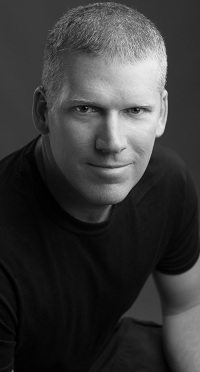 About the author:Mike Adams (aka the "Health Ranger") is a best selling author (#1 best selling science book on Amazon.com) and a globally recognized scientific researcher in clean foods. He serves as the founding editor of NaturalNews.com and the lab science director of an internationally accredited (ISO 17025) analytical laboratory known as CWC Labs. There, he was awarded a Certificate of Excellence for achieving extremely high accuracy in the analysis of toxic elements in unknown water samples using ICP-MS instrumentation. Adams is also highly proficient in running liquid chromatography, ion chromatography and mass spectrometry time-of-flight analytical instrumentation.
Adams is a person of color whose ancestors include Africans and Native American Indians. He's also of Native American heritage, which he credits as inspiring his "Health Ranger" passion for protecting life and nature against the destruction caused by chemicals, heavy metals and other forms of pollution.
Adams is the founder and publisher of the open source science journal Natural Science Journal, the author of numerous peer-reviewed science papers published by the journal, and the author of the world's first book that published ICP-MS heavy metals analysis results for foods, dietary supplements, pet food, spices and fast food. The book is entitled Food Forensics and is published by BenBella Books.
In his laboratory research, Adams has made numerous food safety breakthroughs such as revealing rice protein products imported from Asia to be contaminated with toxic heavy metals like lead, cadmium and tungsten. Adams was the first food science researcher to document high levels of tungsten in superfoods. He also discovered over 11 ppm lead in imported mangosteen powder, and led an industry-wide voluntary agreement to limit heavy metals in rice protein products.
In addition to his lab work, Adams is also the (non-paid) executive director of the non-profit Consumer Wellness Center (CWC), an organization that redirects 100% of its donations receipts to grant programs that teach children and women how to grow their own food or vastly improve their nutrition. Through the non-profit CWC, Adams also launched Nutrition Rescue, a program that donates essential vitamins to people in need. Click here to see some of the CWC success stories.
With a background in science and software technology, Adams is the original founder of the email newsletter technology company known as Arial Software. Using his technical experience combined with his love for natural health, Adams developed and deployed the content management system currently driving NaturalNews.com. He also engineered the high-level statistical algorithms that power SCIENCE.naturalnews.com, a massive research resource featuring over 10 million scientific studies.
Adams is well known for his incredibly popular consumer activism video blowing the lid on fake blueberries used throughout the food supply. He has also exposed "strange fibers" found in Chicken McNuggets, fake academic credentials of so-called health "gurus," dangerous "detox" products imported as battery acid and sold for oral consumption, fake acai berry scams, the California raw milk raids, the vaccine research fraud revealed by industry whistleblowers and many other topics.
Adams has also helped defend the rights of home gardeners and protect the medical freedom rights of parents. Adams is widely recognized to have made a remarkable global impact on issues like GMOs, vaccines, nutrition therapies, human consciousness.
In addition to his activism, Adams is an accomplished musician who has released over a dozen popular songs covering a variety of activism topics.
Click here to read a more detailed bio on Mike Adams, the Health Ranger, at HealthRanger.com.

Take Action: Support Natural News by linking to this article from your website
Permalink to this article:
Embed article link: (copy HTML code below):
Reprinting this article:
Non-commercial use OK, cite NaturalNews.com with clickable link.
Follow Natural News on Facebook, Twitter, Google Plus, and Pinterest

Science News & Studies

Medicine News and Information

Food News & Studies

Health News & Studies

Herbs News & Information

Pollution News & Studies

Cancer News & Studies

Climate News & Studies

Survival News & Information

Gear News & Information

News covering technology, stocks, hackers, and more





"Big Tech and mainstream media are constantly trying to silence the independent voices that dare to bring you the truth about toxic food ingredients, dangerous medications and the failed, fraudulent science of the profit-driven medical establishment.
Email is one of the best ways to make sure you stay informed, without the censorship of the tech giants (Google, Apple, Facebook, Twitter, YouTube, etc.). Stay informed and you'll even likely learn information that may help save your own life."
–The Health Ranger, Mike Adams