



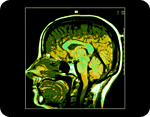
Prominent Neurosurgeons Fear Cell Phone Use Causes Brain Tumors
Friday, August 29, 2008 by: David Gutierrez, staff writer
Tags: cell phones, health news, Natural News
- Do Statin Drugs Cause Vitamin D Deficiency?
- Nine cancer cures that the Medical Mafia doesn't want you to know about
- Merck Engaged in Blatant Scientific Fraud with Vytorin Cholesterol Study? (opinion)
- FDA finally admits chicken meat contains cancer-causing arsenic (but keep eating it, yo!)
- Big Pharma pushes doctors to overprescribe drugs, study finds
- Papaya and its seeds can help boost health
- DHS, FBI refuse to protect free speech advocate from terrorist death threats; Obama regime only concerned with conservatives, Christians
- Despite FDA concern, American Chemistry Council insists Bisphenol A is safe for everyone
- 'Natural' breakfast cereals loaded with pesticides and GMOs - explosive new scorecard from Cornucopia reveals all
- Swedish official admits toxic 'chemtrails' are real, not a wild conspiracy theory
- Dr. Gabriel Cousens reveals method for reversing diabetes with raw living foods in exclusive interview
- Fukushima reactor No. 4 vulnerable to catastrophic collapse; could unleash 85 times Cesium-137 radiation of Chernobyl; human civilization on the brink
- Nearly all gum and candy contain either toxic GMO corn syrup or nerve-disrupting aspartame
- Senate Bill 510 Food Safety? The FDA has killed far more people than contaminated eggs or lettuce
- The best, and worst, laundry detergents with 1,4-dioxane contamination
- South Korea joins Japanese ban on U.S. wheat imports after shocking GMO contamination announcement by USDA
- The new statin drug scam: Half the doctors on the recommendation panel have Big Pharma ties
- Five lifestyle behaviors lower dementia risk by 60 percent, way more than any drug or allopathic advice
- Nine cancer cures that the Medical Mafia doesn't want you to know about
- U.S. Census Bureau helped racially target thousands of American citizens for armed government kidnappings, camp internments
- Do Statin Drugs Cause Vitamin D Deficiency?
- BREAKING: CDC whistleblower confesses to MMR vaccine research fraud in historic public statement
- Cuba, Venezuela, Russia and China now more free than America in notable ways
- Magnesium: The Lamp of Life
- REVEALED: Cancer industry profits 'locked in' by nagalase molecule injected into humans via vaccines... spurs tumor growth... explains aggressive vaccine push
- Five beliefs that are causing society to crumble
- Black Pepper Offers a Powerful Boost to Overall Health at a Very Low Cost
- Nearly two dozen medical studies prove that vaccines can cause autism
- If you or a loved one is taking Prozac, consider switching to cashews instead (yes, cashews!)
- Medicine at gunpoint: Seattle mother arrested for "kidnapping" her own baby to seek alternative treatments
- Whole Foods caught in GMO marketing deception, false advertising - here's the proof
- The best, and worst, laundry detergents with 1,4-dioxane contamination
- Swedish official admits toxic 'chemtrails' are real, not a wild conspiracy theory
- Merck vaccine scientist Dr. Maurice Hilleman admitted presence of SV40, AIDS and cancer viruses in vaccines
- Eggplant Cures Skin Cancer
- Hot chocolate enhances memory, modulates immune cells
- The REAL FAKE NEWS exposed: '97% of scientists agree on climate change' is an engineered hoax... here's what the media never told you
- Reverse and eliminate cataracts naturally without surgery
- Nine cancer cures that the Medical Mafia doesn't want you to know about
- Beat cancer with 35% hydrogen peroxide
- These 15 common herbs cure everything from infections to inflammation and indigestion
- What's really in vaccines? Proof of MSG, formaldehyde, aluminum and mercury
- Merck vaccine scientist Dr. Maurice Hilleman admitted presence of SV40, AIDS and cancer viruses in vaccines
- Lack of Forgiveness Can Affect Our Health
- The best, and worst, laundry detergents with 1,4-dioxane contamination
- The best and worst forms of magnesium to take as a supplement
- BREAKING: CDC whistleblower confesses to MMR vaccine research fraud in historic public statement
- REVEALED: Cancer industry profits 'locked in' by nagalase molecule injected into humans via vaccines... spurs tumor growth... explains aggressive vaccine push
- BREAKING: Taiwan bans GMOs from school lunches... mandates GMO labeling nationwide... throws down gauntlet on toxic foods from USA and Monsanto
- Apricot Seeds Kill Cancer Cells without Side Effects
- Bill Gates says vaccines can help reduce world population
- Measles vaccines kill more people than measles, CDC data proves
- Shock findings in new GMO study: Rats fed lifetime of GM corn grow horrifying tumors, 70% of females die early
- Sickening: Major food corporations use tissue from aborted babies to manufacture flavor additives in processed foods
- Urgent Wake-Up Call: The Coming AI Robot Wars and the Great Human Unity
- The AI Data Center Wars Have Begun… Farms, Water and Electricity is Stripped from Humans to Power the Machines
- EXCLUSIVE REPORT: The Trump-Putin Meeting in Alaska - A Historic Pivot that Redefined Global Power
- The Coming Gold Revaluation: Strategic Financial Realignment in an Era of Dollar Collapse
- The War on Light: How Governments and Big Pharma Keep You Sick By Blocking Healing Photons
- 18 MILLION COVID-JABBED Japanese folks shown to have SIGNIFICANTLY HIGHER DEATH RATES during first year after injection with mRNA clot shots
- Franken-butter: Startup backed by Bill Gates creates butter from thin air
- Liberalism is More than a Mental Illness – It’s TERRORISM against America’s Youth
- Why We Need the Charlie Kirk Free Speech Act: A Legal Shield Against the Censorship Industrial Complex
- How a nasal spray vaccine could turn Americans into walking bioweapons this Fall
- A Billion Voices of Truth: Mike Adams Announces “Moonshot” Mission to Empower Humanity with Hidden Knowledge
- AI takeover: 50% of remote jobs to be replaced within 3 years as machines outperform humans in fairness and accuracy
- Coral resilience defies climate doom: New studies reveal ancient reefs flourished in warmer seas
- New MAHA plan aims to tackle childhood health crisis with over 120 initiatives
- AI & economic liberty: Will decentralized tech save human autonomy?
- Trump admin mulls travel bans on EU officials behind digital censorship laws
- Enoch AI: The free, truth-based AI model challenging big tech censorship
- The assassination of Charlie Kirk: A grave blow to free speech in America





CNN Chief Medical Correspondent Sanjay Gupta and Los Angeles brain surgeon Keith Black both stated that they use earpieces instead of holding the handset up against their heads.
"I think the safe practice is to use an earpiece so you keep the microwave antenna away from your brain," said Black, who works at Cedars-Sinai Medical Center.
"I use it on the speaker-phone mode," Australian National University neurosurgery researcher Vini Khurana said. "I do not hold it to my ear."
A number of recent studies have shown that the use of cell phone handsets increases people's risk of three kinds of tumors in particular: glioma, a tumor of the brain that can be either benign or malignant; acoustic neuroma, a benign tumor of the nerve that connects the ear and brain; and cancer of the salivary gland near the ear that is known as the parotid.
For example, one study found that heavy cell phone users had a 58 percent higher risk of parotid cancers, while another found that people who used mobile phones for 10 years experienced a 100 percent increased risk of acoustic neuroma and glioma.
Many of these studies found that tumors are more likely to occur on the side of the head or neck where the phone is most regularly held.
The FDA says that cell phone use is safe, based on three large epidemiological studies conducted after 2000. But the agency admits that those studies only followed participants for an average of three years, whereas it regularly takes brain tumors 10 years to develop enough to be detectable.
Concerned health professionals have warned that even if the risk from cellular phones is small, the scale on which the phones are used could still lead to a massive public health crisis.
An estimated three billion mobile people - 45 percent of the world's population - use mobile phones.
Sources for this story include: www.iht.com.


Cell phones at FETCH.news
Get independent news alerts on natural cures, food lab tests, cannabis medicine, science, robotics, drones, privacy and more.

Take Action: Support Natural News by linking to this article from your website
Permalink to this article:
Embed article link: (copy HTML code below):
Reprinting this article:
Non-commercial use OK, cite NaturalNews.com with clickable link.
Follow Natural News on Facebook, Twitter, Google Plus, and Pinterest

Science News & Studies

Medicine News and Information

Food News & Studies

Health News & Studies

Herbs News & Information

Pollution News & Studies

Cancer News & Studies

Climate News & Studies

Survival News & Information

Gear News & Information

News covering technology, stocks, hackers, and more





"Big Tech and mainstream media are constantly trying to silence the independent voices that dare to bring you the truth about toxic food ingredients, dangerous medications and the failed, fraudulent science of the profit-driven medical establishment.
Email is one of the best ways to make sure you stay informed, without the censorship of the tech giants (Google, Apple, Facebook, Twitter, YouTube, etc.). Stay informed and you'll even likely learn information that may help save your own life."
–The Health Ranger, Mike Adams