



Dehydrated, Hydrated, Waterlogged: How Much Water is Too Much?
Wednesday, January 09, 2008 by: Peggy Gannon
Tags: hydration, health news, Natural News
- Peanut oil in vaccines behind widespread peanut allergy epidemic
- Six little-known natural remedies for tinnitus
- Reverse and eliminate cataracts naturally without surgery
- Eliminate bladder infections without antibiotics
- Cancer is not a Disease - It's a Survival Mechanism (Book Excerpt)
- Truth about CDC vaccine fraud revealed by Jon Rappoport in new video interview
- Streamlined deception: Journalist exposes EVERYTHING you read in the mainstream media has been planted or approved by the government
- Breast cancer breakthrough: vitamin D in combination with sun exposure is key to prevention
- Artificial Sweetener Disease; a new breed of sickness
- Processed cows milk linked to diabetes
- Coconut Water is wrongfully attacked
- Despite FDA concern, American Chemistry Council insists Bisphenol A is safe for everyone
- Daughters born to junk food-eating men more likely to get breast cancer, research shows
- Bill Gates says vaccines can help reduce world population
- The suicide disease - Trigeminal neuralgia
- Forget Filling Cavities: Regrow Your Teeth Instead
- Harvard research links fluoridated water to ADHD, mental disorders
- Dandelion root far more effective in fighting cancer cells than chemotherapy
- Peanut oil in vaccines behind widespread peanut allergy epidemic
- Global warming data FAKED by government to fit climate change fictions
- The REAL FAKE NEWS exposed: '97% of scientists agree on climate change' is an engineered hoax... here's what the media never told you
- Lack of Forgiveness Can Affect Our Health
- 'Never has there been a safe vaccine,' Suzanne Humphries, MD, says in interview
- Bill Gates says vaccines can help reduce world population
- Stop stomach ulcers with the miracle remedy of cabbage
- Total media blackout on shooting where private citizen stopped mass murder by using a gun
- Business is Booming (comic)
- The best and worst forms of magnesium to take as a supplement
- Do Statin Drugs Cause Vitamin D Deficiency?
- Baking Soda Prevents Kidney Disease, Renal Failure and Kidney Dialysis
- The aloe vera miracle: A natural medicine for cancer, cholesterol, diabetes, inflammation, IBS, and other health conditions
- 10 outrageous (but true) facts about vaccines the CDC and the vaccine industry don't want you to know
- Natural solutions for varicose veins
- Federal agents raid Mormon food storage facility, demand list of customers storing emergency food
- New study: Infants receiving the most vaccines are the most likely to be hospitalized and die
- Review: The Best Tasting Green Superfood Powder Products
- 'Never has there been a safe vaccine,' Suzanne Humphries, MD, says in interview
- Peanut oil in vaccines behind widespread peanut allergy epidemic
- The REAL FAKE NEWS exposed: '97% of scientists agree on climate change' is an engineered hoax... here's what the media never told you
- Bill Gates says vaccines can help reduce world population
- The best and worst forms of magnesium to take as a supplement
- Lack of Forgiveness Can Affect Our Health
- The United Nations 2030 Agenda decoded: It's a blueprint for the global enslavement of humanity under the boot of corporate masters
- Shock findings in new GMO study: Rats fed lifetime of GM corn grow horrifying tumors, 70% of females die early
- Eighteen Overlooked Symptoms of Adrenal Fatigue
- Beat cancer with 35% hydrogen peroxide
- Global warming data FAKED by government to fit climate change fictions
- Apricot Seeds Kill Cancer Cells without Side Effects
- Baking Soda Prevents Kidney Disease, Renal Failure and Kidney Dialysis
- Antibiotics used in meat pose a threat to public health, admits FDA
- Do Statin Drugs Cause Vitamin D Deficiency?
- Forget Filling Cavities: Regrow Your Teeth Instead
- 'Natural' breakfast cereals loaded with pesticides and GMOs - explosive new scorecard from Cornucopia reveals all
- Urgent lawsuit filed against FDA to halt swine flu vaccines; claims FDA violated federal law
- The REAL FAKE NEWS exposed: '97% of scientists agree on climate change' is an engineered hoax... here's what the media never told you
- Beat cancer with 35% hydrogen peroxide
- The best and worst forms of magnesium to take as a supplement
- The United Nations 2030 Agenda decoded: It's a blueprint for the global enslavement of humanity under the boot of corporate masters
- Apricot Seeds Kill Cancer Cells without Side Effects
- Bill Gates says vaccines can help reduce world population
- Forget Filling Cavities: Regrow Your Teeth Instead
- Six little-known natural remedies for tinnitus
- The MMR vaccine, autism connection
- Supplements to detox the body from vaccinations
- What's really in vaccines? Proof of MSG, formaldehyde, aluminum and mercury
- Dandelion root extract found to kill leukemia cells, prostate cancer cells and chemo-resistant melanoma
- Indian black salve: The magical cancer cure
- Reverse and eliminate cataracts naturally without surgery
- High-dose vitamin C injections shown to annihilate cancer
- The aloe vera miracle: A natural medicine for cancer, cholesterol, diabetes, inflammation, IBS, and other health conditions
- Dandelion root far more effective in fighting cancer cells than chemotherapy
- INVESTIGATION: Three days before Dr. Bradstreet was found dead in a river, U.S. govt. agents raided his research facility to seize a breakthrough cancer treatment called GcMAF





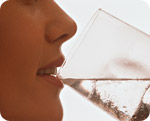
Water truly is the stuff of life. Our body is 70% water, our brain is 85% water, blood is 90% water and the liver (which filters out toxins) is 96% water. We can endure for weeks without food but only three days without water. Chronic dehydration can mimic symptoms of disease, such as headache, dizziness, fatigue, irritability and depression.
Oddly, our level of thirst is not a reliable indicator of our need for water. For some people a headache is the first sign that the body needs more water. Water loss occurs all day long through respiration, perspiration, urination and elimination. Experts agree that 64 oz. a day is the minimum intake to meet our most basic requirements, such as skin hydration, temperature control, digestion and waste disposal. That's eight 8-oz glasses. And I do mean glass. Storing your water in something other than plastic means that you will not be picking up traces of chemicals (like phthalates) that leach from plastic containers.
Having established the importance of adequate water, is it possible to drink too much of such a good thing? Although it's unlikely, the answer is "yes!"
The opposite of dehydration is a condition known as hyponatremia. No, it doesn't mean "drowning"; it actually means "low sodium" and is sometimes referred to as water intoxication. Drinking too much water in too short a time overwhelms the kidneys and can cause a sudden drop in blood sodium levels. Sodium is one of the body's electrolytes (the others are potassium, chloride and bicarbonate). A drop in sodium leads to water entering the brain, causing it to swell. Results include lethargy, disorientation, confusion, seizures, coma and death.
Hyponatremia typically occurs in hot weather when people engage in strenuous activities, sweat a great deal, and then drink gallons of plain water. The answer for people like marathon runners who sweat profusely is a sports drink that will replace the lost electrolytes. An alternative is a quart of water to which you add a half teaspoon each of salt and baking soda. Hyponatremia will not happen to people who spread their normal intake of water over the course of a day.
For those who want to be really precise about personal hydration, there are resources on line that will factor your weight, level of physical activity, and ambient climate and calculate a specific recommendation. Go here: (http://tinyurl.com/2awg72) .
Does personal hydration have to be water? Not necessarily. Tea (especially herbal teas), broth, fruit and vegetable juices all count toward your daily fluid intake, but the emphasis should be on pure water. Coffee and alcohol are diuretics and are better avoided. If plain water fails to excite you, try a splash of lime or lemon, or a few drops of mint extract, to give it a bit of zing. But please, no sodas. We all know why.
About the author
Peggy Gannon lives on a 50-acre farm, where she is owned by three parrots and a few cats. She taught at Unity College in Maine for 18 years, and has in the same lifetime been a small farmer, public relations director, commercial horticulturist, and mental health professional. Her poetry and nonfiction have appeared in a variety of literary and other small magazines. She has pursued a lifelong interest in health and nutrition and is a vocal advocate of local and organic foods. When not writing, she keeps busy gardening, traveling to exotic and arcane locales, and periodically emptying the bag on the vacuum in deep space.


Hydration at FETCH.news
Get independent news alerts on natural cures, food lab tests, cannabis medicine, science, robotics, drones, privacy and more.

Take Action: Support Natural News by linking to this article from your website
Permalink to this article:
Embed article link: (copy HTML code below):
Reprinting this article:
Non-commercial use OK, cite NaturalNews.com with clickable link.
Follow Natural News on Facebook, Twitter, Google Plus, and Pinterest

Science News & Studies

Medicine News and Information

Food News & Studies

Health News & Studies

Herbs News & Information

Pollution News & Studies

Cancer News & Studies

Climate News & Studies

Survival News & Information

Gear News & Information

News covering technology, stocks, hackers, and more





"Big Tech and mainstream media are constantly trying to silence the independent voices that dare to bring you the truth about toxic food ingredients, dangerous medications and the failed, fraudulent science of the profit-driven medical establishment.
Email is one of the best ways to make sure you stay informed, without the censorship of the tech giants (Google, Apple, Facebook, Twitter, YouTube, etc.). Stay informed and you'll even likely learn information that may help save your own life."
–The Health Ranger, Mike Adams