



Word of the Year Describes Eco-Friendly Eaters
Friday, January 04, 2008 by: Laura Weldon
Tags: health trends, health news, Natural News
- Nine cancer cures that the Medical Mafia doesn't want you to know about
- Magnesium: The Lamp of Life
- Do Statin Drugs Cause Vitamin D Deficiency?
- U.S. Census Bureau helped racially target thousands of American citizens for armed government kidnappings, camp internments
- Letting babies swim in chlorinated pools harms their health for life
- Exposed: CDC deliberately manipulated, covered up scientific data showing link between vaccines containing mercury and autism
- Early Mammograms May Trigger Genetic Breast Cancer
- Study from liberal think tank proves illegal immigrants responsible for huge crime sprees across America
- Nearly two dozen medical studies prove that vaccines can cause autism
- Total Blueberry Pomegranate cereal from General Mills contains no blueberries and no pomegranates
- Baking Soda Prevents Kidney Disease, Renal Failure and Kidney Dialysis
- Home and garden - Do not throw away questionable bentonite clay
- Glyphosate detected in feeding tubes given to babies and children with cancer
- Natural breakthrough for blood sugar control: Glucotor supplement clinically proven to reduce blood sugar as well as diabetes drugs, without the side effects
- Cinnamon spice helps prevent diabetes
- Dr. Julie Gerberding oversaw historic mumps vaccine fraud cover-up
- Global organ harvesting a booming black market business; a kidney harvested every hour
- GS CleanTech Bioreactor converts CO2 into oxygen, reduces greenhouse gas emissions
- Nine cancer cures that the Medical Mafia doesn't want you to know about
- U.S. Census Bureau helped racially target thousands of American citizens for armed government kidnappings, camp internments
- BREAKING: CDC whistleblower confesses to MMR vaccine research fraud in historic public statement
- Measles vaccines kill more people than measles, CDC data proves
- Magnesium: The Lamp of Life
- Cuba, Venezuela, Russia and China now more free than America in notable ways
- Five beliefs that are causing society to crumble
- REVEALED: Cancer industry profits 'locked in' by nagalase molecule injected into humans via vaccines... spurs tumor growth... explains aggressive vaccine push
- R.I.P. Bill of Rights 1789 - 2011
- Medicine at gunpoint: Seattle mother arrested for "kidnapping" her own baby to seek alternative treatments
- Antibiotics used in meat pose a threat to public health, admits FDA
- If you or a loved one is taking Prozac, consider switching to cashews instead (yes, cashews!)
- Foods scientifically proven to kill cancer
- Merck vaccine scientist Dr. Maurice Hilleman admitted presence of SV40, AIDS and cancer viruses in vaccines
- Biotech companies could become real-life 'Body Snatchers' - are patents on people next?
- Eggplant Cures Skin Cancer
- Do Statin Drugs Cause Vitamin D Deficiency?
- Hot chocolate enhances memory, modulates immune cells
- The REAL FAKE NEWS exposed: '97% of scientists agree on climate change' is an engineered hoax... here's what the media never told you
- Reverse and eliminate cataracts naturally without surgery
- Beat cancer with 35% hydrogen peroxide
- These 15 common herbs cure everything from infections to inflammation and indigestion
- Nine cancer cures that the Medical Mafia doesn't want you to know about
- What's really in vaccines? Proof of MSG, formaldehyde, aluminum and mercury
- Lack of Forgiveness Can Affect Our Health
- Merck vaccine scientist Dr. Maurice Hilleman admitted presence of SV40, AIDS and cancer viruses in vaccines
- The best and worst forms of magnesium to take as a supplement
- BREAKING: CDC whistleblower confesses to MMR vaccine research fraud in historic public statement
- REVEALED: Cancer industry profits 'locked in' by nagalase molecule injected into humans via vaccines... spurs tumor growth... explains aggressive vaccine push
- The best, and worst, laundry detergents with 1,4-dioxane contamination
- BREAKING: Taiwan bans GMOs from school lunches... mandates GMO labeling nationwide... throws down gauntlet on toxic foods from USA and Monsanto
- Apricot Seeds Kill Cancer Cells without Side Effects
- Measles vaccines kill more people than measles, CDC data proves
- The United Nations 2030 Agenda decoded: It's a blueprint for the global enslavement of humanity under the boot of corporate masters
- Evidence-based vaccinations: A scientific look at the missing science behind flu season vaccines
- INVESTIGATION: Three days before Dr. Bradstreet was found dead in a river, U.S. govt. agents raided his research facility to seize a breakthrough cancer treatment called GcMAF
- Urgent Wake-Up Call: The Coming AI Robot Wars and the Great Human Unity
- The AI Data Center Wars Have Begun… Farms, Water and Electricity is Stripped from Humans to Power the Machines
- EXCLUSIVE REPORT: The Trump-Putin Meeting in Alaska - A Historic Pivot that Redefined Global Power
- The Coming Gold Revaluation: Strategic Financial Realignment in an Era of Dollar Collapse
- The War on Light: How Governments and Big Pharma Keep You Sick By Blocking Healing Photons
- 18 MILLION COVID-JABBED Japanese folks shown to have SIGNIFICANTLY HIGHER DEATH RATES during first year after injection with mRNA clot shots
- Franken-butter: Startup backed by Bill Gates creates butter from thin air
- How a nasal spray vaccine could turn Americans into walking bioweapons this Fall
- Liberalism is More than a Mental Illness – It’s TERRORISM against America’s Youth
- Why We Need the Charlie Kirk Free Speech Act: A Legal Shield Against the Censorship Industrial Complex
- A Billion Voices of Truth: Mike Adams Announces “Moonshot” Mission to Empower Humanity with Hidden Knowledge
- AI takeover: 50% of remote jobs to be replaced within 3 years as machines outperform humans in fairness and accuracy
- Coral resilience defies climate doom: New studies reveal ancient reefs flourished in warmer seas
- AI & economic liberty: Will decentralized tech save human autonomy?
- Trump admin mulls travel bans on EU officials behind digital censorship laws
- New MAHA plan aims to tackle childhood health crisis with over 120 initiatives
- Enoch AI: The free, truth-based AI model challenging big tech censorship
- The assassination of Charlie Kirk: A grave blow to free speech in America





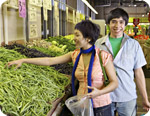
The word was coined in 2005 by "concerned culinary adventurers" in the San Francisco area. They challenged others to eat only foods grown within a 100-mile radius of their homes for an entire month. The idea behind the organization Locavores, (www.locavores.com) , has attracted members everywhere who seek to follow the same precepts. Those include using seasonally available and locally grown foodstuffs as well as doing without products that are processed or imported long distances. Most often these consumers buy from farmers' markets and CSA's (community supported agriculture) rather than supermarkets, some grow or preserve their own foods as well.
Why go to all that trouble?
1. Save energy and reduce your carbon footprint. Food travels an average of 1,500 miles before reaching the consumer's fork. Combination foods travel even farther. One study found that the sugar, yogurt and strawberries in fruit yogurt traveled over 2,200 miles.
Buying locally can slash these numbers by more than 90 percent. It isn't hard to buy local yogurt, honey and fruit to mix up a homemade snack. This also cuts down on global warming gasses, making the end product more sustainable. In fact, the World Watch Institute reports that a typical North American meal uses up to 17 times more fossil fuel than a locally sourced meal.
2. Preserve flavor. Because today's crops are grown to be shipped long distances, growers plant varieties that will survive transport best. That means the peaches are not grown for flavor but hardiness, the tomatoes are chosen for their thick skins and standardized size. Growers pick produce long before natural ripening. The taste suffers even more during cold storage and shipping. As a result, who really wants to eat the cardboard-like fruits and vegetables available most of the year at the supermarket? Few of us know what straight-off-the-vine grapes taste like, not many of us have ever tried freshly picked sweet corn or cherries still warm from the sun.
But when you buy locally, you get a powerhouse of flavor. Farmers can pick the fruits and vegetables at peak ripeness because their customers are an hour or two away. The taste will convince you that buying foods in season from local growers is the only choice worth making.
3. Gain nutrients. According to USDA data, random samples of fruits and vegetables show 26 percent less calcium, 36 percent less iron and 29 percent less vitamin C compared to 1975. Not only do food crops need to reach peak nutritional levels by fully ripening on the plant, recent studies have shown that organic farming methods lead to improved nutrient levels. A four year, 25 million dollar study conducted by researchers at the Tesco Centre for Organic Agriculture at Newcastle University, United Kingdom found that organically grown foods contain higher levels of cancer fighting and heart healthy antioxidants. The study concluded that, compared to standard commercially grown fruits and vegetables, organic produce has on average 40 percent more antioxidants. Other studies have shown similar results for animal products. Consult Eat Wild at (http://www.eatwild.com/) for similar results pertaining to pastured, organic milk, meat and eggs.
4. Preserve family farms. For every dollar spent on food, approximately a dime goes to the farmer. The remaining 90 cents has a lot to do with profits made by corporations when wholesome food are converted into high calorie, low-nutrient products.
Local growers who find direct sales for their products with restaurateurs, farmers' markets and grocers can get full retail price for their food, meaning they can afford to remain on the land. This maintains the bedrock lifestyle that formed this country. Only one percent of Americans now farm as their primary occupation. Get to know the farmers who grow your food when you join a CSA, buy on the farm or see the growers week after week at market stands. You can ask questions about how your food has been grown, find out how to prepare it and learn what it takes to support non-industrialized food in this country.
5. Help your local economy. Money spent on processed foods and products produced elsewhere does little to sustain your local economy. One study followed the funds spent on food as it persisted in the local economy. It was found that a dollar spent at a supermarket was less than half as valuable in local reinvestment as one spent with an area grower or producer.
You also build an invisible economy of connections, people to people, when you are committed to buying locally. Once you are a regular customer at a locally owned bakery, participate in community gardening, and meet up with the same folks each week at a farmers' market, you'll get to know people who live by similar values. These ties support and sustain communities.
6. Understand ecosystems. By voting with your dollar for locally and often organically grown foods you are swaying the marketplace towards sustainable agricultural practices. Such practices include erosion control, cover crops, windbreaks and habitats for natural pollinators. You are proactively making a difference in supporting viable land use.
When you begin to eat seasonally rather than making do with tasteless raspberries in December you are learning to reconnect with natural rhythms. Other than food they preserved, our ancestors ate exactly what came from the surrounding area. Once you eat local foods you begin to cherish the short time that blueberries are ripe, and may master the art of making jam. Winter may find you enjoying root crops and sturdy grains. Our bodies seem to be more in sync when we live in concert with the seasons.
7. Save genetic diversity. While commercial agribusiness relies on a limited number of seed varieties, often genetically modified and patented, local farms can grow any of thousands of varieties passed down for generations. These hardy stocks provide more than flavor and disease resistance, they also are genetically diverse. The potato famine in Ireland taught farmers to use diverse varieties to prevent tragedy. The new seed varieties of agribusiness do not permit diversity nor seed saving. Heirloom varieties are natural insurance for a changing climate and altering global conditions. They also give us a gift of wonderful taste since we are accustomed to the same few varieties. Ever try Wren's Egg beans, Noir des Carmes melons or Tolman Sweet apples? There are literally thousands of heirloom fruits, vegetables, nuts and grains grown on small farms.
How does one get started?
The concept may seem daunting at first. There's no need to jump in full force. Rather than an all or nothing approach, do what you can and increase your commitment as your comfort level grows.
1. One product at a time. If you are accustomed to a diet of convenience foods then take it in moderation. Every time you shop, replace a category of food on your list that is provided by a distant corporate entity with a local provider. If you normally buy bread from a corporate conglomerate, start buying it locally or make it yourself. In another week or two when you are at ease with that change, make another change. Eventually your shift to local food will be complete without disruption or difficulty.
2. Try something new. Explore farmers' markets, the offerings from ethnic restaurants and new ideas from slow food cookbooks. Oftentimes if you are a member of a CSA, you'll find yourself with an abundance of something you haven't used before. A bumper crop of butternut squash will help you discover curried soups and casseroles you hadn't imagined before you had to deal with this nutrient-packed treasure.
3. Preserve. When you have extra you'll find it worthwhile to freeze, can or dry. You'll notice it is also helpful to double recipes so you can make your efforts worthwhile. Try getting together with friends to make spaghetti sauce, chutney or pies. The results can be an excuse for a party or give you plenty to use later.
4. Share the pleasure. Join or create a network of others who appreciate local food and/or slow food, (www.slowfoodusa.org/) .
5. Proceed wisely. Become acquainted with growing times and growers. Once you are familiar with ripening schedules for raspberries, tomatoes, eggplant and your other favorites get to know local growers by visiting farm stands, farmers' markets and orchards. You can get better prices by buying in bulk, going to pick-your-own farms, asking for seconds (smaller apples, oddly sized potatoes, etc) and bidding at produce auctions. To find local farms, Community Supported Agriculture and stores selling locally produced crops consult Local Harvest at (www.localharvest.org/) .
6. Garden. Homesteaders have been eating local food for years and community gardeners haven't been far behind. If you don't have the space for your own garden, locate one near you through the American Community Gardening Association, (http://www.communitygarden.org/) .
7. Curl up with a book. A number of books on the concept of local eating have sprouted on the bestseller lists. Try "The 100-Mile Diet: A Year of Local Eating" by Alisa Smith and J.B. Mackinnon, "Coming Home to Eat: The Pleasures and Politics of Local Foods" by Gary Paul Nabhan, or "Animal, Vegetable, Miracle" by Barbara Kingsolver.
Buying local food brings the solution back home. It doesn't assume that corporate or political answers will provide the solution. Polls show a majority of us care deeply about the environment and health. Now our day-to-day decisions are beginning to reflect this consciousness. Each time a choice is made to eat healthy, locally grown food we put sustainability on the menu.
About the author
Laura Weldon lives on an organic farm and believes in bliss. Learn more about her book "Free Range Learning" by visiting at www.lauragraceweldon.com


Health trends at FETCH.news
Get independent news alerts on natural cures, food lab tests, cannabis medicine, science, robotics, drones, privacy and more.

Take Action: Support Natural News by linking to this article from your website
Permalink to this article:
Embed article link: (copy HTML code below):
Reprinting this article:
Non-commercial use OK, cite NaturalNews.com with clickable link.
Follow Natural News on Facebook, Twitter, Google Plus, and Pinterest

Science News & Studies

Medicine News and Information
Food News & Studies

Health News & Studies

Herbs News & Information

Pollution News & Studies

Cancer News & Studies

Climate News & Studies

Survival News & Information

Gear News & Information

News covering technology, stocks, hackers, and more






"Big Tech and mainstream media are constantly trying to silence the independent voices that dare to bring you the truth about toxic food ingredients, dangerous medications and the failed, fraudulent science of the profit-driven medical establishment.
Email is one of the best ways to make sure you stay informed, without the censorship of the tech giants (Google, Apple, Facebook, Twitter, YouTube, etc.). Stay informed and you'll even likely learn information that may help save your own life."
–The Health Ranger, Mike Adams