



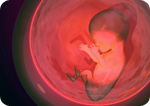
Survey: Some clinics offer embryo selection to create children with genetic defects
Saturday, December 30, 2006 by: Jessica Fraser
Tags: fertility clincs, embryo selection, medical ethics
- Peanut oil in vaccines behind widespread peanut allergy epidemic
- Cancer is not a Disease - It's a Survival Mechanism (Book Excerpt)
- Coconut Water is wrongfully attacked
- Forget Filling Cavities: Regrow Your Teeth Instead
- Measles outbreak likely caused by vaccinated children, science shows
- Six little-known natural remedies for tinnitus
- Body part harvesting company sold parts from dead cancer patients, drug users for use in surgery recipients
- Daughters born to junk food-eating men more likely to get breast cancer, research shows
- Artificial Sweetener Disease; a new breed of sickness
- High Fructose Corn Syrup Now Labeled as Fructose or HFCS-90
- Despite FDA concern, American Chemistry Council insists Bisphenol A is safe for everyone
- Health Basics: Why are fried foods terrible for your health?
- 3 reasons hospitals are not a good place to heal
- Fruit Pectin Chelates Heavy Metals and Facilitates Drug Detox
- Health Ranger threatened by Dr. Fata chemotherapy victims group after attempting to donate immune-boosting nutritional supplements to its members
- Anti-fluoride activists in New Zealand are routinely silenced by a corrupt government
- Bogus study authored by former Monsanto worker claims GMO animal feed is safe
- New Evidence: Exercise Helps Heart Disease, Increases Survival Better than Angioplasty
- Peanut oil in vaccines behind widespread peanut allergy epidemic
- Global warming data FAKED by government to fit climate change fictions
- The REAL FAKE NEWS exposed: '97% of scientists agree on climate change' is an engineered hoax... here's what the media never told you
- Stop stomach ulcers with the miracle remedy of cabbage
- Total media blackout on shooting where private citizen stopped mass murder by using a gun
- Bill Gates says vaccines can help reduce world population
- Lack of Forgiveness Can Affect Our Health
- Review: The Best Tasting Green Superfood Powder Products
- Low Leptin Levels Increase Risk of Age-Related Mental Decline
- Six little-known natural remedies for tinnitus
- Cancer is not a Disease - It's a Survival Mechanism (Book Excerpt)
- Forget Filling Cavities: Regrow Your Teeth Instead
- Business is Booming (comic)
- The Right Kind of Vitamin B12 is Vital for Treating Deficiency
- FDA Running Extortion Racket: Natural Supplement Companies Threatened with Arrest if They Don't Pay Up
- Apricot Seeds Kill Cancer Cells without Side Effects
- Before his death, father of ADHD admitted it was a fictitious disease
- FDA finally admits chicken meat contains cancer-causing arsenic (but keep eating it, yo!)
- 'Never has there been a safe vaccine,' Suzanne Humphries, MD, says in interview
- Peanut oil in vaccines behind widespread peanut allergy epidemic
- The REAL FAKE NEWS exposed: '97% of scientists agree on climate change' is an engineered hoax... here's what the media never told you
- Bill Gates says vaccines can help reduce world population
- The best and worst forms of magnesium to take as a supplement
- Lack of Forgiveness Can Affect Our Health
- The United Nations 2030 Agenda decoded: It's a blueprint for the global enslavement of humanity under the boot of corporate masters
- Eighteen Overlooked Symptoms of Adrenal Fatigue
- Shock findings in new GMO study: Rats fed lifetime of GM corn grow horrifying tumors, 70% of females die early
- Apricot Seeds Kill Cancer Cells without Side Effects
- Global warming data FAKED by government to fit climate change fictions
- Beat cancer with 35% hydrogen peroxide
- Baking Soda Prevents Kidney Disease, Renal Failure and Kidney Dialysis
- Antibiotics used in meat pose a threat to public health, admits FDA
- Colorado Batman shooting shows obvious signs of being staged
- Forget Filling Cavities: Regrow Your Teeth Instead
- 'Natural' breakfast cereals loaded with pesticides and GMOs - explosive new scorecard from Cornucopia reveals all
- Over 30,000 scientists say 'Catastrophic Man-Made Global Warming' is a complete hoax and science lie
- The REAL FAKE NEWS exposed: '97% of scientists agree on climate change' is an engineered hoax... here's what the media never told you
- Beat cancer with 35% hydrogen peroxide
- The best and worst forms of magnesium to take as a supplement
- The United Nations 2030 Agenda decoded: It's a blueprint for the global enslavement of humanity under the boot of corporate masters
- Apricot Seeds Kill Cancer Cells without Side Effects
- Bill Gates says vaccines can help reduce world population
- Forget Filling Cavities: Regrow Your Teeth Instead
- Six little-known natural remedies for tinnitus
- The MMR vaccine, autism connection
- Supplements to detox the body from vaccinations
- What's really in vaccines? Proof of MSG, formaldehyde, aluminum and mercury
- Dandelion root extract found to kill leukemia cells, prostate cancer cells and chemo-resistant melanoma
- Reverse and eliminate cataracts naturally without surgery
- High-dose vitamin C injections shown to annihilate cancer
- Indian black salve: The magical cancer cure
- Dandelion root far more effective in fighting cancer cells than chemotherapy
- The aloe vera miracle: A natural medicine for cancer, cholesterol, diabetes, inflammation, IBS, and other health conditions
- INVESTIGATION: Three days before Dr. Bradstreet was found dead in a river, U.S. govt. agents raided his research facility to seize a breakthrough cancer treatment called GcMAF





Critics of the procedure -- from internet bloggers to embryo screening specialists -- say the practice is unethical. The online magazine Slate called the procedure "the deliberate crippling of children," and many fertility specialists have refused to perform it if it is requested.
The practice of embryo screening -- preimplantation genetic diagnosis (PGD) -- utilizes in vitro fertilization, in which sperm and female eggs are combined in a laboratory dish and then surgically implanted in the womb. Prior to implantation, a cell from a days-old embryo is removed, and physicians examine it for genetic defects.
Dr. Mark Hughes, a physician who helped pioneer PGD and now runs a laboratory in Detroit that conducts embryo screening for a number of national fertility programs, said he would not screen embryos to create genetically disabled children.
"To create a child with a disability because a parent wanted such a thing ... where would you draw the line?" Hughes asked. "It's just unethical and inappropriate, because the purpose of medicine is to diagnose and treat and hopefully cure disease."
However, parents with genetic defects such as dwarfism have defended the procedure, saying they do not view their condition as a disability. Cara Reynolds, a New Jersey woman with dwarfism, once considered embryo screening to create a dwarf baby.
"You cannot tell me that I cannot have a child who's going to look like me," Reynolds said. "It's just unbelievably presumptuous and they're playing God."
PGD procedures are costly at more than $15,000 per attempt, and the rate of successful implants of screened embryos is less than 50 percent.
Ethicists say the controversial screening procedure has generated discussion on whether or not conditions traditionally viewed as disabilities are disorders that should be screened out through PGD.
"It's an ethically challenging question and certainly it will trouble people, but I think there are good, thoughtful reasons why people who are deaf or ... dwarves could say, 'I want a child like me,'" said University of Minnesota bioethicist Jeffrey Kahn. "If people in a shared culture all have the common clinical defect, then maybe it's not a defect in the traditional sense."
The survey -- which included 190 responses from 415 embryo screening clinics nationwide -- originally appeared in the September 2006 online issue of Fertility and Sterility.
###


Fertility clincs at FETCH.news
Get independent news alerts on natural cures, food lab tests, cannabis medicine, science, robotics, drones, privacy and more.

Take Action: Support Natural News by linking to this article from your website
Permalink to this article:
Embed article link: (copy HTML code below):
Reprinting this article:
Non-commercial use OK, cite NaturalNews.com with clickable link.
Follow Natural News on Facebook, Twitter, Google Plus, and Pinterest

Science News & Studies

Medicine News and Information

Food News & Studies

Health News & Studies

Herbs News & Information

Pollution News & Studies

Cancer News & Studies

Climate News & Studies

Survival News & Information

Gear News & Information

News covering technology, stocks, hackers, and more






"Big Tech and mainstream media are constantly trying to silence the independent voices that dare to bring you the truth about toxic food ingredients, dangerous medications and the failed, fraudulent science of the profit-driven medical establishment.
Email is one of the best ways to make sure you stay informed, without the censorship of the tech giants (Google, Apple, Facebook, Twitter, YouTube, etc.). Stay informed and you'll even likely learn information that may help save your own life."
–The Health Ranger, Mike Adams