




Exercise in Itself Improves Blood Glucose Control in Type 2 Diabetes (press release)
Monday, September 25, 2006 by: NewsTarget
Tags: health news, Natural News, nutrition
- 'Rollie pollies' remove heavy metals from soil, stabilizing growing conditions, protecting groundwater
- Children's Fitness Levels Continue to Decline; Today's Kids are Weak and Unfit
- Fluoridation is the Ultimate Deception (Opinion)
- Chinese herbs kill cancer cells: study
- The MMR vaccine, autism connection
- Detox with diatomaceous earth to remove allergies, mercury, chemicals, GMOs, parasites
- Is synthetic folic acid toxic to your body? Research suggests 'yes'
- Prevent arthritis and cancer with broccoli: Research proven
- Harvard research links fluoridated water to ADHD, mental disorders
- How to heal cavities naturally
- Vaccine fraud exposed: Measles and mumps making a huge comeback because vaccines are designed to fail, say Merck virologists
- The powerful health benefits of curcumin
- Extreme breastfeeding? Woman saves Rottweiler pup by breastfeeding it alongside her own infant
- 600 strains of an aerosolized thought control vaccine already tested on humans; deployed via air, food and water
- Curing Lyme disease - Causes and solutions
- TSA workers fired after huge bribery scandal at the Philadelphia International Airport
- The Hegelian Principle Helps Explain How the Powerful Got That Way
- The big lie of genetics exposed: human DNA incapable of storing complete blueprint of the human form
- The best and worst forms of magnesium to take as a supplement
- The MMR vaccine, autism connection
- The United Nations 2030 Agenda decoded: It's a blueprint for the global enslavement of humanity under the boot of corporate masters
- 'Rollie pollies' remove heavy metals from soil, stabilizing growing conditions, protecting groundwater
- How to heal a cavity naturally and nutritionally without the need for 'drilling and filling'
- Cannabis kicks Lyme disease to the curb
- Vaccine fraud exposed: Measles and mumps making a huge comeback because vaccines are designed to fail, say Merck virologists
- How to heal cavities naturally
- Ten ways to use colloidal silver's amazing healing abilities
- Boost Low White Blood Cell Count and Immune Function Naturally
- Six natural remedies for acid reflux
- Is synthetic folic acid toxic to your body? Research suggests 'yes'
- Article updated with new message from the Health Ranger
- Harvard research links fluoridated water to ADHD, mental disorders
- Fluoridation is the Ultimate Deception (Opinion)
- Olive oil antioxidant naturally kills all cancer cells tested within an hour
- Man heals stage 3 prostate and colon cancers with raw food diet
- Every neighborhood in America mapped to show risk levels of lead contamination in the water supply
- The MMR vaccine, autism connection
- The best and worst forms of magnesium to take as a supplement
- The REAL FAKE NEWS exposed: '97% of scientists agree on climate change' is an engineered hoax... here's what the media never told you
- The United Nations 2030 Agenda decoded: It's a blueprint for the global enslavement of humanity under the boot of corporate masters
- Apricot Seeds Kill Cancer Cells without Side Effects
- Water filters tested for heavy metals removal: Zero Water, Pur, Brita, Mavea, Culligan, Seychelle and Waterman
- Peanut oil in vaccines behind widespread peanut allergy epidemic
- Indian black salve: The magical cancer cure
- Forget Filling Cavities: Regrow Your Teeth Instead
- Bill Gates says vaccines can help reduce world population
- NASA admits to spraying Americans with poisonous chemtrails
- The remarkable health benefits of Epsom salt baths
- Sugar takes on high fructose corn syrup in high stakes legal battle to see which is most unhealthy
- Ten ways to use colloidal silver's amazing healing abilities
- Baking soda, cancer and fungus
- Kale is great for your sex life
- Eighteen Overlooked Symptoms of Adrenal Fatigue
- INVESTIGATION: Three days before Dr. Bradstreet was found dead in a river, U.S. govt. agents raided his research facility to seize a breakthrough cancer treatment called GcMAF
- Eleven days before Iran bombed Tel Aviv, my microscope revealed haunting images of EXACTLY what would happen
- Morphic resonance “remote viewing” reveals iconic Middle East images of stealth bombers, a falcon and a one-horned ram
- DECENTRALIZED SPIRITUALITY and the true teachings of Christ: Overcoming the censorship, threats and lies of organized religion to truly know God and the Universal Christ
- HEALTH SECRETS: How to Instantly Block MSG Toxicity Using Natural Substances (and the secret of Methylene Blue)
- The Coming Gold Revaluation: Strategic Financial Realignment in an Era of Dollar Collapse
- The AI Data Center Wars Have Begun… Farms, Water and Electricity is Stripped from Humans to Power the Machines
- Urgent Wake-Up Call: The Coming AI Robot Wars and the Great Human Unity
- The War on Light: How Governments and Big Pharma Keep You Sick By Blocking Healing Photons
- Amazing microscopy photos reveal how freezing crystals attempt to mimic electronic structures they are touching
- THE AI RACE IS ALREADY WON: How China’s power dominance (and America’s climate lunacy surrender) secured its victory in the race to AI superintelligence
- Why the U.S. Government May be Seeking to Slaughter 200 Million Americans to Free Up Excess Power for AI Data Centers and the Race to Superintelligence
- Trump's Trojan Horse: How Stablecoins Are Secretly Paving the Way for a CBDC Control Grid – an Interview with Catherine Austin Fitts
- EXCLUSIVE REPORT: The Trump-Putin Meeting in Alaska - A Historic Pivot that Redefined Global Power
- Shingles surge sparks new focus on holistic care: Tackling pain, immunity and risks
- BOMBSHELL: Internal Pfizer documents exposed and reveal at least 16 PERCENT of their mRNA vaccine "adverse events" are REPRODUCTIVE DISORDERS
- Injecting chemicals is MORE DANGEROUS than eating them, so why is polysorbate 80 banned in ICE CREAM but allowed in VACCINES?
- Exploring the depths of alternative medicine: A comprehensive review of “The Gale Encyclopedia of Alternative Medicine”
- 18 MILLION COVID-JABBED Japanese folks shown to have SIGNIFICANTLY HIGHER DEATH RATES during first year after injection with mRNA clot shots





Now, a new systematic review shows that exercise helps regulate blood glucose (sugar) levels, increases the body’s sensitivity to insulin and decreases blood lipids (fats) while also helping to burn body fat.
“Type 2 diabetes is an increasing problem in Western societies and is associated with increased rates of overweight and obesity,” said review co-author Elizabeth Elliott, M.D., of the University of Sydney and Children’s Hospital at Westmead, in Australia. “In this study, we wanted to determine if there was an independent effect of exercise — separate from dietary modification and medications — in improving outcomes in patients with type 2 diabetes.”
The review appears in the current issue of The Cochrane Library, a publication of The Cochrane Collaboration, an international organization that evaluates research in all aspects of health care. Systematic reviews draw evidence-based conclusions about medical practice after considering both the content and quality of existing trials on a topic.
The study, which reviewed data from 14 randomized controlled trials, included a total of 377 participants. The average age range in studies was 45 to 65 years with slightly more men than women. All participants had type 2 diabetes and the only difference between groups was that they were assigned to either no exercise or to a prescribed exercise regime.
The types of exercise programs in each study varied widely. Resistance training and aerobic workouts were the most common, although one study involved qi gong.
Exercise sessions varied from one to seven times a week, with most studies involving three sessions a week. Sessions lasted from 30 minutes to two hours, with half the studies using hour-long sessions. The studies were short term, ranging from eight weeks to 12 months with most lasting less than six months.
“We were interested in whether a prescribed exercise regime versus no exercise regime would actually improve blood sugar control, and it did,” said Elliott. The researchers determined this by looking at the percent of glycated hemoglobin in the blood, also known as an A1C test. The American Diabetes Association considers A1C values to be the best indicator of long-term blood glucose control.
Participants who exercised had an overall decrease of 0.6 percent of A1C levels. While that may not sound like much, it represents a 30 percent improvement towards the goal of attaining an A1C of 7 percent, and a 20 percent improvement towards a normal A1C of 6 percent.
“This was a both a statistically and clinically significant drop,” said Elliott. “It’s comparable to the drop that clinicians would like to see if prescribing medication” to regulate blood sugar, she said.
“Many people with type 2 diabetes find when they start walking daily, for example, that blood sugar control becomes much easier. That’s been known anecdotally for a long time,” Elliott said. “Our study gives justification to the recommendation that exercise is important.”
Participants enrolled in an exercise program also lost significantly more fat around the abdominal organs and under the skin, compared to those who didn’t exercise.
Exercising participants didn’t actually lose any weight, however — probably because exercise helps replace fat with heavier muscle tissue, researchers said, and because the average length of the studies was too short to show weight loss. Muscle tissue helps in the metabolism of insulin and blood sugar regulation.
Participants who exercised also experienced a significant lowering of blood triglycerides, which are often elevated in patients with diabetes. Excess triglycerides have been linked to coronary artery disease.
“Our review shows that diabetes management can be enhanced by nonmedical measures such as exercise,” Elliot says. “All patients with diabetes would probably benefit from a consultation not only with a dietitian but also a physiotherapist, exercise physiologist or sports medicine physician who can create for them a sustainable exercise program.”
Neal Kohatsu, M.D., president of the American College of Preventive Medicine, concurs. “There is a strong body of evidence that exercise in partnership with other healthy lifestyle and medical interventions does have benefit” for patients with type 2 diabetes, he said. “People often think that you have to be a triathlon competitor to get benefits from exercise. In fact there is substantial benefit going from couch potato to being even modestly active.”
While there were no documented adverse effects from any of the exercise regimes in studied, Kohatsu says that patients with type 2 diabetes should consult with their physician before starting or changing an exercise program. “There are issues related to diabetes and exercise that one has to be cautious about. For example, good foot care is important because of potential problems with circulation and neuropathy,” he said.
In addition, he said that insulin-dependent diabetic patients may be at risk for hypoglycemia, or low blood sugar, when exercising and need to know how to monitor and treat themselves if they should become hypoglycemic.
Age, cardiovascular status, and other factors may also influence what kind of exercise is best for an individual patient with type 2 diabetes.
FOR MORE INFORMATION: Health Behavior News Service: (202) 387-2829 or www.hbns.org.
Center for the Advancement of Health Contact: Ira R. Allen Vice President for Public Affairs 202.387.2829 [email protected]

)

Health news at FETCH.news
Get independent news alerts on natural cures, food lab tests, cannabis medicine, science, robotics, drones, privacy and more.

Take Action: Support Natural News by linking to this article from your website
Permalink to this article:
Embed article link: (copy HTML code below):
Reprinting this article:
Non-commercial use OK, cite NaturalNews.com with clickable link.
Follow Natural News on Facebook, Twitter, Google Plus, and Pinterest

Science News & Studies

Medicine News and Information

Food News & Studies

Health News & Studies

Herbs News & Information

Pollution News & Studies

Cancer News & Studies

Climate News & Studies

Survival News & Information

Gear News & Information

News covering technology, stocks, hackers, and more




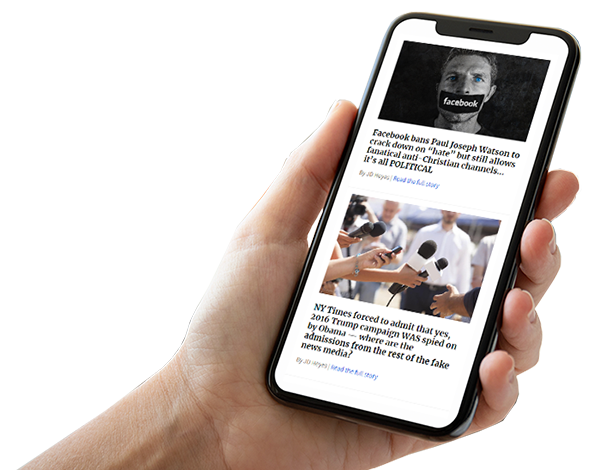

"Big Tech and mainstream media are constantly trying to silence the independent voices that dare to bring you the truth about toxic food ingredients, dangerous medications and the failed, fraudulent science of the profit-driven medical establishment.
Email is one of the best ways to make sure you stay informed, without the censorship of the tech giants (Google, Apple, Facebook, Twitter, YouTube, etc.). Stay informed and you'll even likely learn information that may help save your own life."
–The Health Ranger, Mike Adams