




Living Well With Osteoarthritis -- Tips on Activity Participation (press release)
 Wednesday, July 27, 2005 Wednesday, July 27, 2005by Mike Adams, the Health Ranger Editor of NaturalNews.com (See all articles...) Tags: physical exercise, health news, Natural News |
- 'Rollie pollies' remove heavy metals from soil, stabilizing growing conditions, protecting groundwater
- Fluoridation is the Ultimate Deception (Opinion)
- The MMR vaccine, autism connection
- Children's Fitness Levels Continue to Decline; Today's Kids are Weak and Unfit
- Detox with diatomaceous earth to remove allergies, mercury, chemicals, GMOs, parasites
- Is synthetic folic acid toxic to your body? Research suggests 'yes'
- Chinese herbs kill cancer cells: study
- The powerful health benefits of curcumin
- Prevent arthritis and cancer with broccoli: Research proven
- Harvard research links fluoridated water to ADHD, mental disorders
- How to heal cavities naturally
- Vaccine fraud exposed: Measles and mumps making a huge comeback because vaccines are designed to fail, say Merck virologists
- Extreme breastfeeding? Woman saves Rottweiler pup by breastfeeding it alongside her own infant
- Deadly Teflon chemical - Decades of cover-ups
- Tooth whitening 101: Flash a gorgeous smile with these natural methods
- Omega-3 supplements improve joint health, lessen severity of osteoarthritis and provide a host of other health benefits
- Homeopathic Alternatives to Antibiotics
- Four herbs that boost your brain capacity
- The best and worst forms of magnesium to take as a supplement
- The MMR vaccine, autism connection
- The United Nations 2030 Agenda decoded: It's a blueprint for the global enslavement of humanity under the boot of corporate masters
- 'Rollie pollies' remove heavy metals from soil, stabilizing growing conditions, protecting groundwater
- How to heal a cavity naturally and nutritionally without the need for 'drilling and filling'
- Cannabis kicks Lyme disease to the curb
- Vaccine fraud exposed: Measles and mumps making a huge comeback because vaccines are designed to fail, say Merck virologists
- How to heal cavities naturally
- Ten ways to use colloidal silver's amazing healing abilities
- Boost Low White Blood Cell Count and Immune Function Naturally
- Six natural remedies for acid reflux
- Is synthetic folic acid toxic to your body? Research suggests 'yes'
- Article updated with new message from the Health Ranger
- Harvard research links fluoridated water to ADHD, mental disorders
- Fluoridation is the Ultimate Deception (Opinion)
- Olive oil antioxidant naturally kills all cancer cells tested within an hour
- Man heals stage 3 prostate and colon cancers with raw food diet
- Every neighborhood in America mapped to show risk levels of lead contamination in the water supply
- The MMR vaccine, autism connection
- The best and worst forms of magnesium to take as a supplement
- The REAL FAKE NEWS exposed: '97% of scientists agree on climate change' is an engineered hoax... here's what the media never told you
- The United Nations 2030 Agenda decoded: It's a blueprint for the global enslavement of humanity under the boot of corporate masters
- Apricot Seeds Kill Cancer Cells without Side Effects
- Water filters tested for heavy metals removal: Zero Water, Pur, Brita, Mavea, Culligan, Seychelle and Waterman
- Peanut oil in vaccines behind widespread peanut allergy epidemic
- Indian black salve: The magical cancer cure
- Forget Filling Cavities: Regrow Your Teeth Instead
- Bill Gates says vaccines can help reduce world population
- NASA admits to spraying Americans with poisonous chemtrails
- The remarkable health benefits of Epsom salt baths
- Sugar takes on high fructose corn syrup in high stakes legal battle to see which is most unhealthy
- Ten ways to use colloidal silver's amazing healing abilities
- Baking soda, cancer and fungus
- Kale is great for your sex life
- Eighteen Overlooked Symptoms of Adrenal Fatigue
- INVESTIGATION: Three days before Dr. Bradstreet was found dead in a river, U.S. govt. agents raided his research facility to seize a breakthrough cancer treatment called GcMAF
- Eleven days before Iran bombed Tel Aviv, my microscope revealed haunting images of EXACTLY what would happen
- Morphic resonance “remote viewing” reveals iconic Middle East images of stealth bombers, a falcon and a one-horned ram
- DECENTRALIZED SPIRITUALITY and the true teachings of Christ: Overcoming the censorship, threats and lies of organized religion to truly know God and the Universal Christ
- HEALTH SECRETS: How to Instantly Block MSG Toxicity Using Natural Substances (and the secret of Methylene Blue)
- The Coming Gold Revaluation: Strategic Financial Realignment in an Era of Dollar Collapse
- The AI Data Center Wars Have Begun… Farms, Water and Electricity is Stripped from Humans to Power the Machines
- Urgent Wake-Up Call: The Coming AI Robot Wars and the Great Human Unity
- The War on Light: How Governments and Big Pharma Keep You Sick By Blocking Healing Photons
- Amazing microscopy photos reveal how freezing crystals attempt to mimic electronic structures they are touching
- THE AI RACE IS ALREADY WON: How China’s power dominance (and America’s climate lunacy surrender) secured its victory in the race to AI superintelligence
- Why the U.S. Government May be Seeking to Slaughter 200 Million Americans to Free Up Excess Power for AI Data Centers and the Race to Superintelligence
- Trump's Trojan Horse: How Stablecoins Are Secretly Paving the Way for a CBDC Control Grid – an Interview with Catherine Austin Fitts
- EXCLUSIVE REPORT: The Trump-Putin Meeting in Alaska - A Historic Pivot that Redefined Global Power
- Shingles surge sparks new focus on holistic care: Tackling pain, immunity and risks
- BOMBSHELL: Internal Pfizer documents exposed and reveal at least 16 PERCENT of their mRNA vaccine "adverse events" are REPRODUCTIVE DISORDERS
- Injecting chemicals is MORE DANGEROUS than eating them, so why is polysorbate 80 banned in ICE CREAM but allowed in VACCINES?
- Exploring the depths of alternative medicine: A comprehensive review of “The Gale Encyclopedia of Alternative Medicine”
- 18 MILLION COVID-JABBED Japanese folks shown to have SIGNIFICANTLY HIGHER DEATH RATES during first year after injection with mRNA clot shots





But you don't have to let the stiffness, pain, swelling and fatigue associated with arthritis keep you from doing what you need and love to do. You can take control of your arthritis and achieve good living simply by modifying the ways in which you participate in your favorite activities. Taking the proper precautions can allow you to continue to do many of your favorite things, even with arthritis. Gardening
Don't sit on the ground when you pull weeds or plant bulbs. Sit on a low step-stool or a turned-over metal basin instead. Make sure the seat is low enough that you can bend over easily to do your gardening.
Use a wheeled cart or basket to carry bulbs and gardening tools around your yard. You can push the cart with your feet if you find it difficult to stoop down to move it, or tie a rope or old bathrobe belt to the basket and pull it around the yard.
If you like flower gardening but can't sit on the ground or stoop to low flower beds, try planting flowers in window-box containers or clay pots that sit on tables outside your house. Consider building a greenhouse with raised shelves and tables to hold pots of flowers and plants.
Buy gardening tools with adaptive handles that are easy to grasp, or build up handles yourself by wrapping them with electrical tape, bubble wrap or foam padding.
Traveling
During a flight, try exercising in your seat. Roll your shoulders in a circle, and flex your ankles, hands and fingers. Whenever possible, walk up and down the aisle or to the restroom.
When traveling, use a small, compartmented pill container to organize your daily medications. Keep the container in your purse, carry-on bag or suit pocket where you won't lose it and can access it easily during your trip.
If you are traveling to a different time zone, particularly overseas, keep a log of when you need to take your medications. Take an extra watch with you that is set to your home time, so that you can take your pills at the appropriate time. If the watch has an alarm, set it for dosage times.
If you are taking a long car trip, plan periodic stops at rest areas. Get out of the car, stretch and have a snack. Schedule these stops and figure them into the total travel time.
Don't wait until the last minute to pack for a trip. Plan out beforehand what you will need. Take clothing items that can be mixed and matched to cut down on the amount you pack in your suitcase. A suitcase with fewer items is easier to carry, and clothing stays fresher.
Activities With Families
If you have arthritis and need to help your children dress in the morning, sit on a chair and have the child stand in front of you. This puts you both at the same height and makes dressing easier.
Pack children's lunches the evening before, or pack several days' worth at once. Store these meals in paper sacks in the refrigerator if the items are perishable. Advance preparation cuts down on morning rush.
Create an assembly line in the kitchen for food preparation and clean-up. When washing dishes, one person can wash, one can rinse, one can dry and stack, and one can put away dishes.
If you are spending a long evening with family or friends at a restaurant, sitting for a long period of time may make your joints stiff. Between courses, get up and walk to the restroom or to the bar area. This tip also may keep you from nibbling too much from the contents of the bread basket.
Your joints may become stiff during a long movie. Get to the theater early, so you can choose an aisle seat or a handicapped-accessible seat that allows you to stretch your legs periodically.
A level, well-mowed back yard can be a great place for light exercise. Try kicking a ball back and forth with the children in your family, or toss a rubber ball to your dog and let him fetch it and bring it back to you. Croquet might be another entertaining exercise. Build up the croquet mallet handles with padding to make them easier to grip.
Hiking can be an enjoyable and leisurely form of exercise. Investigate any hiking trails before you embark on your hike. Avoid trails with any uneven or slippery footing or steep inclines or any trails that require you to climb using your hands. Pick an easy, beginner's trail that is well-marked. Hike with friends - never alone - and bring a cellular phone and identification card with you.
While you're watching TV, get off the couch and walk around about once every 30 minutes - perhaps in between your favorite shows or during commercial breaks - to keep joints from stiffening. Don't just walk to the refrigerator and back.
If you find it difficult to handle playing cards or game pieces, play games with your friends or family in a team format. Divide into twos and let your partner handle cards, dice, play money or game pieces while you help with strategy.
How to Fight Fatigue
Stick to the time you've allotted for work. At times, you may have to stay longer to get your job done. But if a task can wait until the next day, leave it until then.
You'll get more done in the long run if you don't wear yourself out.
Don't rush. You\'ll be more efficient working at a comfortable pace than at a hectic one that invites mistakes and accidents. Schedule time for the unexpected.
Discuss with your supervisor the possibility of adjusting your work schedule. You may be able to come to work later and leave later, allowing you extra time in the morning to take a warm bath or to stretch.
Talk to your fellow workers about swapping duties when possible and approved by your supervisor. When you're having a flare, it may be too difficult for you to do certain tasks, and you may be able to trade for less strenuous duties.
Cooking
Buy meat already cut into chunks or have your butcher cut it for you. If you need to fill a large pot with water, don't fill it in the sink. Using both hands, place the pot on the stove. Then, fill a glass, small pitcher, watering can or kettle and pour water into the pot until you have the amount needed.
When washing dishes, using a mitt made of sponge material may be more comfortable than trying to hold a sponge or scouring pad. These mitts are available at hardware stores, in the automotive accessories departments.
Use tongs instead of a fork to turn food, such as chicken breasts, during cooking or grilling.
Griddles with low sides may be easier to use than skillets for cooking chicken breasts, chops or fried eggs. The low sides make it easier to turn food with a spatula, or to slide it off the griddle and onto a platter.
Buy cheese already grated or shredded. These cheeses come in resealable plastic bags, and will save your hands from strenuous grating. If you have a hard time resealing these bags, close them with bag clips.
Try opening jars with a rubber jar opener. Or, try placing it in a shallow drawer. Close the drawer enough to squeeze the jar between drawer and countertop, then use both hands to twist the lid open. Use this method for bottles as well. Many kitchen appliances and cooking utensils come with easy-to-grip handles. Be a proactive consumer - look for these items at your local cookware store, or ask the manager if the store can order these items for you. There also are a number of catalog and Web site companies that sell easy-to-use cooking items. Use pre-chopped, bagged vegetables and salad mixes to save energy when preparing meals. Bags of frozen mixed vegetables can be defrosted and used in casseroles, stir-fries, salads and omelets. Bags of frozen vegetables can double as a handy ice pack for stiff, painful joints.
Use kitchen scissors to cut open slices of individually wrapped cheese, then pull off the plastic wrap. Large-grip scissors also can be used to cut off pats of stick butter or margarine, and chop the tops off celery stalks.
Don't transfer a cooked dish from the pot to a serving dish. Put the pot on a heatproof trivet right on the dinner table, or put servings on the plates in the kitchen and then serve them to your guests.
Use a large plastic pitcher or a bowl with a spout at one end for mixing cake batters. This method makes it easier to pour batter into the pan. Hold the pitcher or bowl with both hands when you pour.
Treatment Plan and New Developments
For some people who suffer from pain associated with arthritis, their symptoms can be managed with exercise, heat/cold therapy, joint protection, assistive devices, weight control, or in some severe cases, surgery. For others, medications are needed to help manage the symptoms associated with arthritis.
COX-2 inhibitors
COX-2 inhibitors are the newest members of the NSAID class of medications. Available by prescription only, they became widely used in recent years to reduce joint pain and swelling. COX-2 inhibitors work by selectively blocking, or inhibiting, one of the two enzymes associated with inflammation. Some experts have hypothesized that this selective inhibition may be the reason for the negative cardiovascular effects currently associated with COX-2 inhibitors.
Non-selective NSAIDs
Non-selective NSAIDs were developed earlier than COX-2 inhibitors and have been widely used to relieve arthritis pain and inflammation for many years. Unlike COX-2 inhibitors, non-selective NSAIDs inhibit both major enzymes involved in the inflammatory process, COX-1 and COX-2. The non-selective NSAID category includes a number of different medications that are available in both prescription and over-the-counter (OTC) products.
However, recent controversy about the safety of pain medications for arthritis has left patients and health care professionals alike uncertain about which medications are safe to use. In fact, a recent survey by the Boston-based Rippe Lifestyle Institute indicated that many people with arthritis are suffering unnecessarily because they have stopped or reduced their use of pain relievers due to confusion about which drugs are considered safe.
To clarify the confusion around recent news about arthritis medications, here are some facts:
On April 7, 2005, the FDA announced the following:
• Bextra, a COX-2 inhibitor manufactured by Pfizer, was being voluntarily withdrawn from the market.
• All prescription NSAIDs must revise their labeling to include a “black box” warning that highlights the potential increased risk for cardiovascular (CV) events as well as the potentially life threatening gastrointestinal (GI) bleeding associated with these drugs. Celebrex, the only COX-2 inhibitor remaining on the US market, was included in this directive.
• All OTC NSAIDs (except aspirin) will be required to revise their labeling to include more specific information about the potential for GI and CV side effects, a stronger reminder to follow label instructions, as well as a warning about potential skin reactions.
To further evaluate the potential for increased CV risk, the FDA also announced that all NSAIDs must conduct and submit to the Agency a comprehensive review and analysis of pertinent safety data from clinical trials.
The FDA emphasized that when label directions are followed, OTC pain relievers such as Aleve (naproxen sodium) provide a safe and effective way to treat mild to moderate pain of minor arthritis. If patients have questions, they should consult their health care professional about which treatment option is most appropriate.

)

Physical exercise at FETCH.news
Get independent news alerts on natural cures, food lab tests, cannabis medicine, science, robotics, drones, privacy and more.
 About the author:Mike Adams (aka the "Health Ranger") is a best selling author (#1 best selling science book on Amazon.com) and a globally recognized scientific researcher in clean foods. He serves as the founding editor of NaturalNews.com and the lab science director of an internationally accredited (ISO 17025) analytical laboratory known as CWC Labs. There, he was awarded a Certificate of Excellence for achieving extremely high accuracy in the analysis of toxic elements in unknown water samples using ICP-MS instrumentation. Adams is also highly proficient in running liquid chromatography, ion chromatography and mass spectrometry time-of-flight analytical instrumentation.
Adams is a person of color whose ancestors include Africans and Native American Indians. He's also of Native American heritage, which he credits as inspiring his "Health Ranger" passion for protecting life and nature against the destruction caused by chemicals, heavy metals and other forms of pollution.
Adams is the founder and publisher of the open source science journal Natural Science Journal, the author of numerous peer-reviewed science papers published by the journal, and the author of the world's first book that published ICP-MS heavy metals analysis results for foods, dietary supplements, pet food, spices and fast food. The book is entitled Food Forensics and is published by BenBella Books.
In his laboratory research, Adams has made numerous food safety breakthroughs such as revealing rice protein products imported from Asia to be contaminated with toxic heavy metals like lead, cadmium and tungsten. Adams was the first food science researcher to document high levels of tungsten in superfoods. He also discovered over 11 ppm lead in imported mangosteen powder, and led an industry-wide voluntary agreement to limit heavy metals in rice protein products.
In addition to his lab work, Adams is also the (non-paid) executive director of the non-profit Consumer Wellness Center (CWC), an organization that redirects 100% of its donations receipts to grant programs that teach children and women how to grow their own food or vastly improve their nutrition. Through the non-profit CWC, Adams also launched Nutrition Rescue, a program that donates essential vitamins to people in need. Click here to see some of the CWC success stories.
With a background in science and software technology, Adams is the original founder of the email newsletter technology company known as Arial Software. Using his technical experience combined with his love for natural health, Adams developed and deployed the content management system currently driving NaturalNews.com. He also engineered the high-level statistical algorithms that power SCIENCE.naturalnews.com, a massive research resource featuring over 10 million scientific studies.
Adams is well known for his incredibly popular consumer activism video blowing the lid on fake blueberries used throughout the food supply. He has also exposed "strange fibers" found in Chicken McNuggets, fake academic credentials of so-called health "gurus," dangerous "detox" products imported as battery acid and sold for oral consumption, fake acai berry scams, the California raw milk raids, the vaccine research fraud revealed by industry whistleblowers and many other topics.
Adams has also helped defend the rights of home gardeners and protect the medical freedom rights of parents. Adams is widely recognized to have made a remarkable global impact on issues like GMOs, vaccines, nutrition therapies, human consciousness.
In addition to his activism, Adams is an accomplished musician who has released over a dozen popular songs covering a variety of activism topics.
Click here to read a more detailed bio on Mike Adams, the Health Ranger, at HealthRanger.com.

Take Action: Support Natural News by linking to this article from your website
Permalink to this article:
Embed article link: (copy HTML code below):
Reprinting this article:
Non-commercial use OK, cite NaturalNews.com with clickable link.
Follow Natural News on Facebook, Twitter, Google Plus, and Pinterest

Science News & Studies

Medicine News and Information

Food News & Studies

Health News & Studies

Herbs News & Information

Pollution News & Studies

Cancer News & Studies

Climate News & Studies

Survival News & Information

Gear News & Information

News covering technology, stocks, hackers, and more




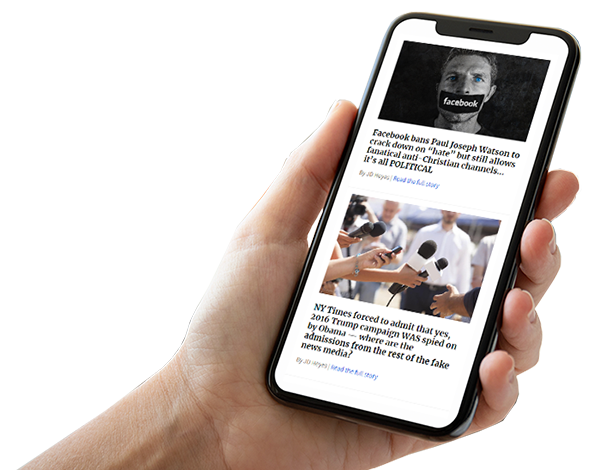

"Big Tech and mainstream media are constantly trying to silence the independent voices that dare to bring you the truth about toxic food ingredients, dangerous medications and the failed, fraudulent science of the profit-driven medical establishment.
Email is one of the best ways to make sure you stay informed, without the censorship of the tech giants (Google, Apple, Facebook, Twitter, YouTube, etc.). Stay informed and you'll even likely learn information that may help save your own life."
–The Health Ranger, Mike Adams