




Small team successfully farms red seaweed, one of the most powerful healing superfoods on Earth
 Monday, February 02, 2004 Monday, February 02, 2004by Mike Adams, the Health Ranger Editor of NaturalNews.com (See all articles...) Tags: phytonutrients, superfoods, sea vegetables |
- Detoxify heavy metals and soothe chronic inflammation with cilantro, a powerful 'superherb'
- Dandelion root extract found to kill leukemia cells, prostate cancer cells and chemo-resistant melanoma
- The top seven GMO crops you should avoid like the plague
- Can you avoid cancer by drinking traditional kefir? Here's the science
- Vitamin E, critical for brain health, is lacking in 90% of adults - find out how to add more to your diet!
- Apricot Seeds Kill Cancer Cells without Side Effects
- FDA document admits vaccines are linked to autism
- Psychiatry goes insane: Every human emotion now classified as a mental disorder in new psychiatric manual DSM-5
- These 15 common herbs cure everything from infections to inflammation and indigestion
- Rediscover the healing wonders of raw apple cider vinegar
- The Australian kakadu plum is rich in vitamin C and phytochemicals
- Maca root can increase libido and help treat sexual dysfunction
- The MMR vaccine, autism connection
- High-dose vitamin C injections shown to annihilate cancer
- SSRI drugs based on fabricated medical myths, says psychiatrist
- What's really in vaccines? Proof of MSG, formaldehyde, aluminum and mercury
- Wisdom teeth surgery a deadly dental scam: Young mother falls into coma following visit to dentist
- Beating cancer -- how to take charge of your cancer cure and outlive the lies of the cancer industry
- These 15 common herbs cure everything from infections to inflammation and indigestion
- Reverse and eliminate cataracts naturally without surgery
- Breaking: Courts discreetly confirm MMR vaccine causes autism
- Maslow's Hierarchy of Needs Explains Why Some Children Fail
- 'Miracle cure' controversy and why people should use DMSO for cancer, inflammation and more
- Breaking news: Multi-agency armed raid hits Rawesome Foods, Healthy Family Farms for selling raw milk and cheese
- U.S. researchers create 30 genetically modified human babies
- Natural help for relieving and treating tinnitus
- What's really in vaccines? Proof of MSG, formaldehyde, aluminum and mercury
- Beat cancer with 35% hydrogen peroxide
- Cancer is not a Disease - It's a Survival Mechanism (Book Excerpt)
- Toxic superfood alert: Organic mangosteen powder found heavily contaminated with lead
- Warning: Many childhood vaccines contain aborted human fetal protein, DNA
- Vitamin B-12 warning: Avoid cyanocobalamin, take only methylcobalamin
- Dandelion root extract found to kill leukemia cells, prostate cancer cells and chemo-resistant melanoma
- Apricot Seeds Kill Cancer Cells without Side Effects
- Direct Democracy - Why the American People must disband Congress
- INVESTIGATION: Three days before Dr. Bradstreet was found dead in a river, U.S. govt. agents raided his research facility to seize a breakthrough cancer treatment called GcMAF
- U.S. researchers create 30 genetically modified human babies
- Beat cancer with 35% hydrogen peroxide
- Reverse and eliminate cataracts naturally without surgery
- The United Nations 2030 Agenda decoded: It's a blueprint for the global enslavement of humanity under the boot of corporate masters
- These 15 common herbs cure everything from infections to inflammation and indigestion
- The MMR vaccine, autism connection
- Zeolite detox myths busted: In lab tests, zeolites do NOT bind with aluminum, lead, uranium, mercury or cadmium... only CESIUM
- H1N1 vaccine linked to 700 percent increase in miscarriages
- Apricot Seeds Kill Cancer Cells without Side Effects
- Colorado Batman shooting shows obvious signs of being staged
- The best, and worst, laundry detergents with 1,4-dioxane contamination
- Institute of Medicine adverse reactions report admits MMR vaccines cause measles, seizures, anaphylaxis and other health problems
- Evidence-based vaccinations: A scientific look at the missing science behind flu season vaccines
- BREAKING: Taiwan bans GMOs from school lunches... mandates GMO labeling nationwide... throws down gauntlet on toxic foods from USA and Monsanto
- Cancer is not a Disease - It's a Survival Mechanism (Book Excerpt)
- The best and worst forms of magnesium to take as a supplement
- Bill Gates says vaccines can help reduce world population
- Treating Herpes Naturally and with Fewer Side Effects
- Urgent Wake-Up Call: The Coming AI Robot Wars and the Great Human Unity
- The AI Data Center Wars Have Begun… Farms, Water and Electricity is Stripped from Humans to Power the Machines
- The War on Light: How Governments and Big Pharma Keep You Sick By Blocking Healing Photons
- The Coming Gold Revaluation: Strategic Financial Realignment in an Era of Dollar Collapse
- EXCLUSIVE REPORT: The Trump-Putin Meeting in Alaska - A Historic Pivot that Redefined Global Power
- 18 MILLION COVID-JABBED Japanese folks shown to have SIGNIFICANTLY HIGHER DEATH RATES during first year after injection with mRNA clot shots
- AI & economic liberty: Will decentralized tech save human autonomy?
- How a nasal spray vaccine could turn Americans into walking bioweapons this Fall
- Franken-butter: Startup backed by Bill Gates creates butter from thin air
- Brussels-Washington trade deal grinds to halt amid clash over digital CENSORSHIP laws
- Security clearances revoked for 37 Biden/Obama officials as Gabbard targets “weaponized intelligence”
- Coral resilience defies climate doom: New studies reveal ancient reefs flourished in warmer seas
- Trump admin mulls travel bans on EU officials behind digital censorship laws
- U.S. State Department condemns “buffer zones” outside U.K. abortion clinics as assault on free speech and religious liberty
- AI takeover: 50% of remote jobs to be replaced within 3 years as machines outperform humans in fairness and accuracy
- Brazil’s digital identity push: For child safety or state control?
- Liberalism is More than a Mental Illness – It’s TERRORISM against America’s Youth
- Newly released JFK files reveal Pentagon's role in creating Lyme disease and covid in the same lab





And yet most Americans wouldn't touch seaweed with a six-foot pole. But populations in Japan, Hawaii and the Pacific Islands have depended on seaweed as a staple of their diet for literally thousands of years. It may be part of the reason the Japanese, for example, are far healthier than most Americans: they frequently eat seaweed in the form of sushi and other traditional Japanese dishes.
The most highly sought-after sea vegetable, according to some, has been red seaweed. But excessive wildcrafting (harvesting) of it has led to a depletion in red seaweed populations. Until now, no one has been able to successfully revive these populations or farm red seaweed for mass consumption.
Today, however, one team, lead by an expert in marine agronomy from the University of Arizona, has been able to plant and harvest entire crops of red seaweed, making them available to commercial purchasers. It's a notable success story, not only because it creates a new industry for the people of the rather remote island of Molokai, but more importantly because it results in the availability of a dietary supplement that offers extraordinary healing properties and the ability to both prevent and reverse serious diseases.
This is good medicine, it's good for the environment, it's good for humans, it's good for the ocean, and it's good for business. You don't find that combination very often these days.


Phytonutrients at FETCH.news
Get independent news alerts on natural cures, food lab tests, cannabis medicine, science, robotics, drones, privacy and more.
 About the author:Mike Adams (aka the "Health Ranger") is a best selling author (#1 best selling science book on Amazon.com) and a globally recognized scientific researcher in clean foods. He serves as the founding editor of NaturalNews.com and the lab science director of an internationally accredited (ISO 17025) analytical laboratory known as CWC Labs. There, he was awarded a Certificate of Excellence for achieving extremely high accuracy in the analysis of toxic elements in unknown water samples using ICP-MS instrumentation. Adams is also highly proficient in running liquid chromatography, ion chromatography and mass spectrometry time-of-flight analytical instrumentation.
Adams is a person of color whose ancestors include Africans and Native American Indians. He's also of Native American heritage, which he credits as inspiring his "Health Ranger" passion for protecting life and nature against the destruction caused by chemicals, heavy metals and other forms of pollution.
Adams is the founder and publisher of the open source science journal Natural Science Journal, the author of numerous peer-reviewed science papers published by the journal, and the author of the world's first book that published ICP-MS heavy metals analysis results for foods, dietary supplements, pet food, spices and fast food. The book is entitled Food Forensics and is published by BenBella Books.
In his laboratory research, Adams has made numerous food safety breakthroughs such as revealing rice protein products imported from Asia to be contaminated with toxic heavy metals like lead, cadmium and tungsten. Adams was the first food science researcher to document high levels of tungsten in superfoods. He also discovered over 11 ppm lead in imported mangosteen powder, and led an industry-wide voluntary agreement to limit heavy metals in rice protein products.
In addition to his lab work, Adams is also the (non-paid) executive director of the non-profit Consumer Wellness Center (CWC), an organization that redirects 100% of its donations receipts to grant programs that teach children and women how to grow their own food or vastly improve their nutrition. Through the non-profit CWC, Adams also launched Nutrition Rescue, a program that donates essential vitamins to people in need. Click here to see some of the CWC success stories.
With a background in science and software technology, Adams is the original founder of the email newsletter technology company known as Arial Software. Using his technical experience combined with his love for natural health, Adams developed and deployed the content management system currently driving NaturalNews.com. He also engineered the high-level statistical algorithms that power SCIENCE.naturalnews.com, a massive research resource featuring over 10 million scientific studies.
Adams is well known for his incredibly popular consumer activism video blowing the lid on fake blueberries used throughout the food supply. He has also exposed "strange fibers" found in Chicken McNuggets, fake academic credentials of so-called health "gurus," dangerous "detox" products imported as battery acid and sold for oral consumption, fake acai berry scams, the California raw milk raids, the vaccine research fraud revealed by industry whistleblowers and many other topics.
Adams has also helped defend the rights of home gardeners and protect the medical freedom rights of parents. Adams is widely recognized to have made a remarkable global impact on issues like GMOs, vaccines, nutrition therapies, human consciousness.
In addition to his activism, Adams is an accomplished musician who has released over a dozen popular songs covering a variety of activism topics.
Click here to read a more detailed bio on Mike Adams, the Health Ranger, at HealthRanger.com.

Take Action: Support Natural News by linking to this article from your website
Permalink to this article:
Embed article link: (copy HTML code below):
Reprinting this article:
Non-commercial use OK, cite NaturalNews.com with clickable link.
Follow Natural News on Facebook, Twitter, Google Plus, and Pinterest

Science News & Studies

Medicine News and Information

Food News & Studies

Health News & Studies

Herbs News & Information

Pollution News & Studies

Cancer News & Studies

Climate News & Studies

Survival News & Information

Gear News & Information

News covering technology, stocks, hackers, and more




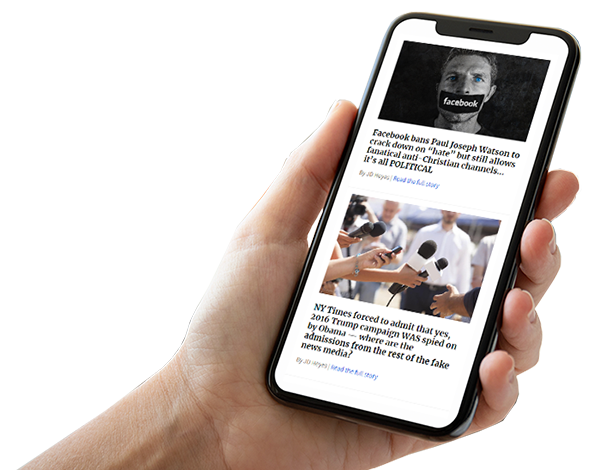

"Big Tech and mainstream media are constantly trying to silence the independent voices that dare to bring you the truth about toxic food ingredients, dangerous medications and the failed, fraudulent science of the profit-driven medical establishment.
Email is one of the best ways to make sure you stay informed, without the censorship of the tech giants (Google, Apple, Facebook, Twitter, YouTube, etc.). Stay informed and you'll even likely learn information that may help save your own life."
–The Health Ranger, Mike Adams